
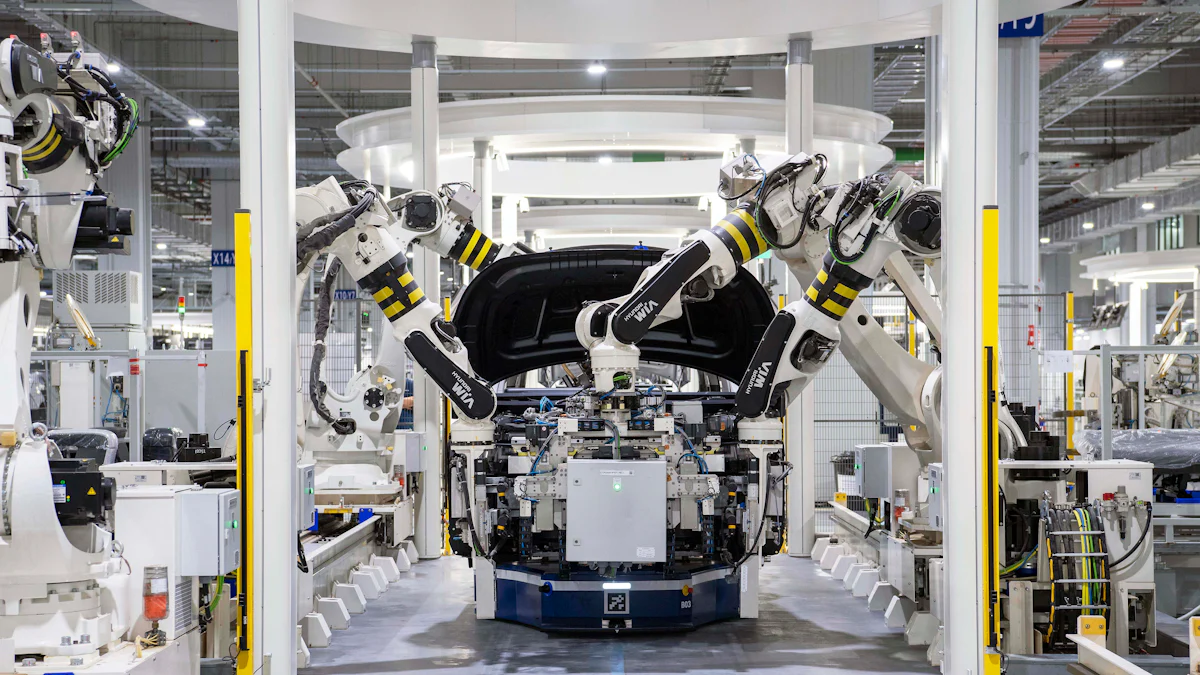
Google’s Autonomous Endeavor
Google has been at the forefront of developing autonomous vehicles, commonly known as smart cars. The company’s ambitious venture into self-driving technology aims to revolutionize the future of transportation. However, this innovative endeavor is not without its challenges. From regulatory hurdles to safety concerns, Google’s smart car technology faces a myriad of obstacles in its journey towards widespread implementation.
Fun Fact: Google’s self-driving car project began in 2009 and has since evolved into a significant technological pursuit.
Google driverless vehicles
Google car
Google self-driving cars
AI in Autonomous Vehicles
Artificial intelligence (AI) plays a pivotal role in the development and operation of autonomous vehicles, particularly in Google’s smart car technology. The seamless integration of advanced AI systems is fundamental to the success of self-driving cars, enabling them to perceive their environment, make decisions, and navigate routes with precision and accuracy.
The continual advancement of AI in autonomous vehicles has sparked discussions regarding safety and ethical considerations. As Google strives to enhance the capabilities of its smart car technology through AI, ensuring the safety of passengers, pedestrians, and other road users remains a top priority. Moreover, ethical dilemmas surrounding decision-making processes in unforeseen circumstances have become a focal point in the ongoing development of autonomous vehicles.
As Google pioneers the integration of cutting-edge AI in its smart car technology, it faces both technological and ethical challenges that demand innovative solutions for safe and reliable autonomous driving experiences.
Regulatory Challenges
Navigating Regulatory Hurdles
The development and deployment of Google’s smart car technology are significantly impacted by the complexities of navigating through existing regulatory frameworks. As the technology rapidly evolves, laws and policies struggle to keep pace with the innovative advancements in autonomous vehicles. The dynamic nature of self-driving technology presents a challenge for regulators, as they endeavor to establish comprehensive guidelines that ensure the safe integration of autonomous vehicles into existing transportation systems.
Fun Fact: The first state to pass legislation allowing the operation of autonomous vehicles on public roads was Nevada in 2011.
smart car google
Google car
Addressing Legal Complexities
The legal landscape surrounding autonomous vehicles poses substantial challenges for Google’s smart car technology. Issues such as liability in the event of accidents, insurance requirements, and jurisdictional matters add layers of complexity to the legal considerations associated with self-driving cars. Moreover, addressing legal ambiguities across different regions and jurisdictions further complicates the process of establishing standardized regulations that can accommodate the widespread implementation of autonomous vehicles.
Safety in Autonomous Driving
Ensuring Safety Measures
Safety is a paramount concern in the development and implementation of autonomous vehicles, particularly in the context of Google’s self-driving cars. The technology must address critical aspects such as accident prevention and decision-making capabilities to ensure the safety of passengers, pedestrians, and other road users. This involves creating robust systems that can effectively detect and respond to potential hazards on the road, thereby minimizing the risk of accidents.
Ethical Considerations:
As autonomous vehicles become more prevalent, ethical considerations surrounding their operation come to the forefront. Questions arise regarding how these vehicles should prioritize the safety of different individuals in potential collision scenarios. For instance, should a self-driving car prioritize protecting its passengers at all costs, or should it consider minimizing overall harm, even if it means putting its occupants at greater risk?
Addressing Ethical Considerations
The ethical dimensions of autonomous driving present intricate challenges for Google’s smart car technology. Decisions made by AI systems within self-driving cars have profound ethical implications that require careful consideration. As these vehicles operate in complex real-world environments, they must navigate situations with moral consequences, prompting discussions about how to imbue AI with ethical reasoning capabilities.
In addressing these ethical considerations, Google aims to develop frameworks that align with societal values and prioritize safety while fostering public trust in the deployment of autonomous vehicles.
Paving the Way Forward
Innovative Solutions
Google’s dedication to overcoming the challenges faced by its smart car technology has spurred the development of innovative solutions. The company continues to invest in research and development, leveraging cutting-edge technologies to enhance the safety, reliability, and efficiency of autonomous vehicles. Through collaborative efforts with experts in various fields, Google aims to address the complexities associated with self-driving cars, paving the way for groundbreaking advancements.
Industry Expert: “Google’s relentless pursuit of innovative solutions is reshaping the landscape of autonomous driving technology, setting new benchmarks for safety and performance.”
Future Prospects
Despite the formidable obstacles encountered along the journey, Google’s unwavering commitment to overcoming challenges signifies promising future prospects for smart car technology. As advancements in AI and regulatory frameworks continue to unfold, the potential for widespread adoption of autonomous vehicles becomes increasingly tangible. With a focus on refining safety measures and addressing ethical considerations, Google remains at the forefront of shaping a future where self-driving cars redefine transportation norms.
Overcoming Smart Car Challenges
Despite the array of challenges, Google’s smart car technology perseveres in its quest to innovate and surmount obstacles, ultimately paving the way for the future of autonomous vehicles.
Industry Expert: “Google’s unwavering commitment to overcoming the multifaceted challenges faced by its smart car technology is reshaping the landscape of autonomous driving, setting new benchmarks for safety and performance.”
Innovative solutions continue to drive Google’s efforts, as the company invests in research and development to enhance the safety, reliability, and efficiency of autonomous vehicles. Collaborative endeavors with experts from diverse fields further reinforce Google’s position at the forefront of addressing complexities associated with self-driving cars.
The company’s relentless pursuit of innovative solutions signifies promising future prospects for smart car technology. As advancements in AI and regulatory frameworks unfold, Google remains dedicated to refining safety measures and addressing ethical considerations, solidifying its role in shaping a future where self-driving cars redefine transportation norms.
See Also
Navigating Cultural Norms and Technology with Mobile Car Advertising in the Middle East
The Customer Experience Impact of Ride-Hailing Car Advertising Machine in 2024
The Future of Rear-Mounted Ride-Hailing Car Advertising Machine in 2024
Harnessing the Potential of Rooftop Car Advertising for Uber and Lyft Drivers
A Comparison of Vantrue S2 Dual 2.5K Dash Cam and Viofo T130 Dash Cam for Uber Drivers