
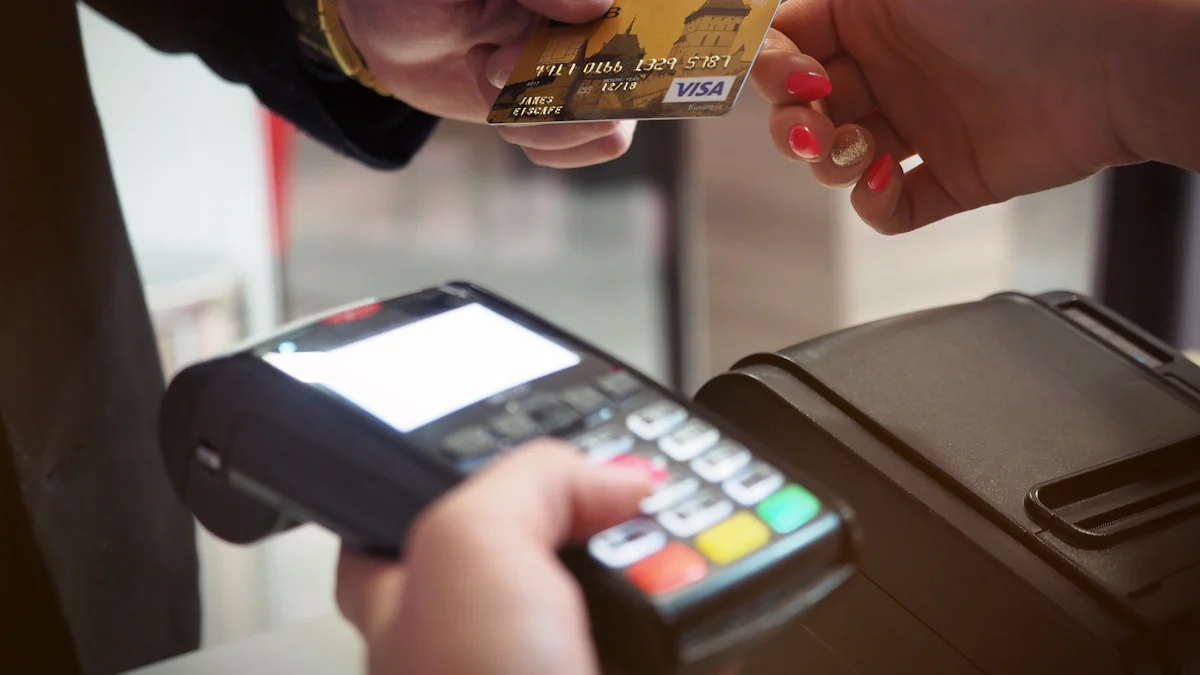
Understanding POS Systems
A point of sale (POS) system is a sophisticated tool that combines various functions essential for retail operations. It encompasses payment processing, inventory management, and sales reporting, making it a pivotal asset for streamlining business activities.
Importance of POS Systems: A POS system is more than just a cash register; it is a comprehensive solution that empowers businesses to manage their daily operations efficiently.
Types of Payment Terminals
Payment terminals come in various forms, each serving specific needs within the retail landscape.
Traditional Payment Terminals
Traditional payment terminals are standalone devices designed for processing card payments at the point of sale. These terminals are commonly seen in brick-and-mortar stores and are typically connected to a phone line or the internet for transaction processing. They offer a reliable and secure method for accepting payments from customers, making them a fundamental component of retail operations.
Mobile Payment Terminals
On the other hand, mobile payment terminals leverage smartphones or tablets to process payments, providing businesses with flexibility and mobility. These terminals are particularly useful for on-the-go transactions, such as those occurring at events or markets. Their portability and wireless connectivity enable businesses to accept payments in various settings beyond traditional store environments.
Integration with Accounting Software
Streamlining Financial Processes
When it comes to streamlining financial processes, POS systems offer seamless integration with accounting software. This integration allows for the automation of various financial tasks, including the recording of sales and the management of inventory. By syncing sales data and inventory information with accounting software, businesses can gain real-time insights into their financial performance. This not only saves time but also enhances accuracy in financial record-keeping.
The integration with accounting software enables businesses to automate tedious manual processes, freeing up valuable time for staff to focus on other critical aspects of operations. It also ensures that all financial data is accurately recorded and organized within the accounting system, providing a comprehensive overview of the business’s financial health.
Synchronization of Data
In addition to streamlining financial processes, the synchronization of data between POS systems and accounting software plays a crucial role in ensuring accuracy and consistency. By integrating these systems, businesses can minimize the risk of errors and discrepancies in their financial records. This synchronization guarantees that sales and inventory data are consistently updated across both platforms, reducing the likelihood of conflicting or outdated information.
Furthermore, accurate synchronization facilitates informed decision-making by providing reliable data for analysis. Whether it’s assessing sales trends or making strategic inventory decisions, having synchronized data at their fingertips empowers businesses to make well-informed choices that drive growth and efficiency.
Security Features
In the realm of POS systems, security features are paramount to safeguarding sensitive payment data and preventing unauthorized access or fraudulent activities. These measures provide peace of mind for both businesses and their customers, ensuring that transactions are conducted securely and confidentially.
Encryption and Tokenization
POS systems incorporate advanced encryption and tokenization techniques to fortify the security of payment data. Encryption scrambles the information transmitted during a transaction, rendering it indecipherable to unauthorized parties. Similarly, tokenization replaces sensitive card data with unique tokens, further reducing the risk of potential breaches. By implementing these security measures, POS systems significantly diminish the likelihood of unauthorized access and fraud, thereby upholding the integrity of customer information throughout payment processes.
User Authentication
User authentication mechanisms form an integral part of POS security measures, employing methods such as personalized login credentials and permission-based access controls. This ensures that only authorized personnel can operate the system, minimizing the risk of misuse or unauthorized usage. By enforcing strict user authentication protocols, POS systems bolster overall security, mitigating potential vulnerabilities associated with unauthorized access attempts.
Benefits of POS Systems
POS systems offer a multitude of benefits that contribute to operational efficiency and enhanced customer satisfaction, making them indispensable tools for businesses in the retail industry.
Improved Efficiency
By streamlining transactions and automating processes, POS systems save time and minimize manual errors. This efficiency allows businesses to serve customers faster, leading to enhanced overall productivity.
The automation of routine tasks, such as inventory management and sales reporting, reduces the burden on staff members, enabling them to focus on delivering exceptional service to customers.
Enhanced Customer Experience
POS systems play a pivotal role in improving the overall shopping experience for customers by enabling quick and convenient payment processing. This expedites the checkout process, reducing wait times and enhancing customer satisfaction.
Features like digital receipts and seamless integration with loyalty programs further contribute to a seamless customer experience. Customers appreciate the convenience and personalized touch offered by these features, fostering loyalty and repeat business.
In essence, POS systems not only optimize internal operations but also elevate the quality of interactions between businesses and their customers, ultimately driving growth and success.
Differentiating POS Systems and Payment Terminals
When it comes to distinguishing between POS systems and payment terminals, it’s crucial for businesses in the retail industry to understand the unique roles and functionalities of each. While POS systems encompass a wide range of operations including payment processing, inventory management, and sales reporting, payment terminals are specifically designed for processing card payments at the point of sale.
It’s important to recognize that POS systems serve as comprehensive solutions that go beyond simple transaction processing, offering businesses the tools they need to efficiently manage their daily operations. On the other hand, payment terminals, whether traditional or mobile, are focused on facilitating secure and convenient payment methods for customers.
In conclusion, grasping the differences between POS systems and payment terminals empowers businesses to make informed decisions about their operational needs and technological investments. Understanding these distinctions is essential for optimizing business processes and enhancing customer experiences.
See Also
Exploring the Evolution of Wireless Microphones and Adjustable UHF Systems
Amazon.co.uk’s 2024 Top 10 Rear Seat Entertainment Systems
SEPINE AmpliGame USB Microphone: RGB Lighting and Detachable Pop Filter Unveiled
Uber and Lyft’s Play Octopus: Interactive In-Car Advertising Experience