
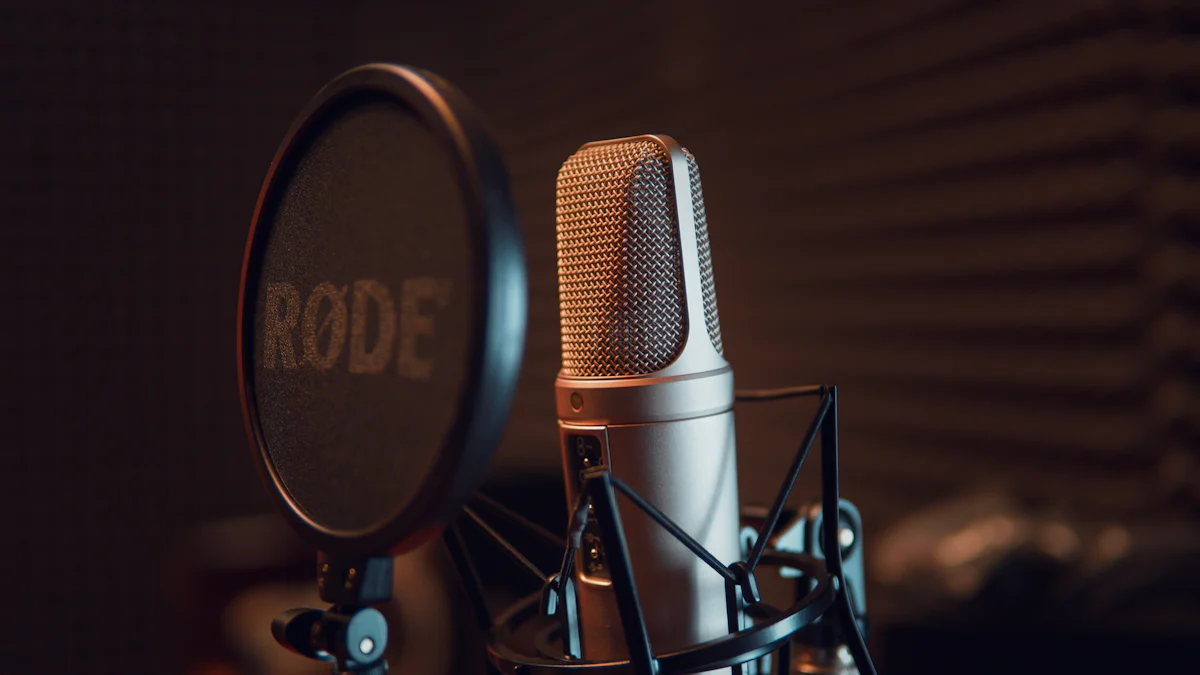
Understanding the Basics of Microphones
When it comes to choosing the best singing microphone, understanding the basics is crucial. What makes a microphone great for singing? Let’s delve into two key factors that play a significant role in this decision.
What Makes a Microphone Great for Singing?
Audio Transparency and Why It Matters
Audio transparency refers to the ability of a microphone to faithfully capture and reproduce the sound of your voice without adding coloration or distortion. For singers, this is particularly important as it ensures that your true vocal qualities are accurately conveyed. When evaluating microphones, pay attention to their ability to maintain audio transparency across different vocal ranges and dynamics.
The Role of Frequency in Your Sound
The frequency response of a microphone determines how it captures various frequencies within the audible range. For singing, you’ll want a microphone that can accurately capture both low and high frequencies, ensuring that every nuance of your voice is faithfully reproduced. A wide frequency response range is essential for capturing the full richness and clarity of your vocals.
Different Types of Microphones
Dynamic vs. Condenser Microphones
Dynamic microphones are known for their durability and versatility, making them suitable for live performances where handling noise may be an issue. On the other hand, condenser microphones are favored for their sensitivity and ability to capture subtle nuances, making them ideal for studio recording environments.
USB vs. XLR: What’s the Difference?
When considering a microphone for singers, it’s essential to understand the difference between USB and XLR connections. While USB microphones offer convenience and direct connectivity to computers, XLR microphones provide professional-grade audio quality and compatibility with a wider range of audio equipment.
Key Features to Look for in a Singing Microphone
As you embark on the journey to find the perfect microphone for your singing endeavors, it’s essential to consider key features that will enhance your vocal performances. Understanding the significance of audio transparency, directionality, and handling noise can guide you towards selecting a microphone that truly complements your voice.
Audio Transparency and Directionality
Finding a Mic That Captures Your True Voice
When seeking a singing microphone, prioritize finding one that captures the authentic essence of your voice. Look for a microphone with exceptional audio transparency, ensuring that it faithfully reproduces the unique qualities of your vocals without coloration or distortion. This transparency allows your true voice to shine through, creating an authentic and genuine connection with your audience.
Why Direction Matters in Live Performances
In live performance settings, the directionality of a microphone plays a crucial role in capturing sound accurately. Consider microphones with effective directional properties that minimize background noise and focus on capturing your vocals. This ensures that your live performances are characterized by clear, focused sound quality, enhancing the overall experience for both you and your audience.
Handling Noise and Cable Noise Sensitivity
Avoiding Unwanted Sounds
Unwanted handling noise can detract from the purity of your vocal delivery. Selecting a microphone with low handling noise sensitivity is vital for preventing unwanted sounds from being amplified during performances or recordings. This feature allows you to maintain control over the audio output, ensuring that only intentional sounds are projected.
Tips for Reducing Handling Noise
To further mitigate handling noise, consider implementing practical techniques such as using shock mounts or microphone stands. These accessories provide stability and isolation, reducing the transmission of vibrations and physical disturbances to the microphone. Additionally, maintaining proper posture and grip while holding the microphone can significantly minimize handling noise during live performances.
By prioritizing these key features in your search for a singing microphone, you can elevate the quality and authenticity of your vocal presentations while minimizing potential disruptions. The right combination of audio transparency, directionality, and handling noise management will empower you to deliver captivating performances with confidence and clarity.
Now let’s move on to exploring some top picks for singing microphones that encompass these essential features.
Top Picks for Singers Microphone
Now that we’ve covered the essential features to look for in a singing microphone, let’s explore some top picks that encompass these qualities, catering to different preferences and budgets.
Best Overall Singing Microphone
When it comes to the best overall microphone for singers, the Sennheiser e935 stands out as a top contender. This dynamic microphone is designed to capture the nuances of your vocals with exceptional clarity and fidelity. The e935 features a cardioid pickup pattern, ensuring focused sound reproduction while minimizing background noise. Its rugged construction makes it suitable for both stage performances and studio recordings, offering versatility and reliability.
Features and Benefits
Dynamic Range: The Sennheiser e935 boasts an impressive dynamic range, allowing it to handle varying vocal intensities with ease.
Cardioid Pickup Pattern: With its cardioid polar pattern, the microphone effectively isolates your vocals while rejecting off-axis sounds.
Durability: Built to withstand rigorous use, the e935 is crafted with robust materials, making it a reliable companion for live performances.
Why It Stands Out
The Sennheiser e935 stands out due to its ability to faithfully capture the subtleties of your voice while delivering consistent performance across different singing styles and genres. Whether you’re belting out powerful ballads or delivering delicate melodies, this microphone ensures that your vocals shine through with authenticity and precision.
Best Budget-Friendly Microphone for Singers
For those seeking a budget-friendly option without compromising on quality, the Shure SM58 is an excellent choice. Renowned for its durability and clear sound reproduction, this dynamic microphone has been a staple in the music industry for decades. The SM58 offers reliable performance at an affordable price point, making it an ideal choice for aspiring singers and seasoned performers alike.
Features and Benefits
Built-in Pop Filter: The Shure SM58 comes equipped with a built-in spherical wind and pop filter, reducing breath noises and plosives during vocal performances.
Uniform Cardioid Pickup Pattern: Its uniform cardioid pickup pattern effectively isolates the main sound source while minimizing background noise.
Legendary Reliability: Known for its legendary reliability, the SM58 is built to withstand rough handling and demanding performance environments.
Making the Most of Your Budget
Despite being budget-friendly, the Shure SM58 doesn’t compromise on sound quality or durability. It offers consistent performance and clear audio reproduction, making it an excellent investment for singers looking to enhance their vocal presentations without breaking the bank.
Making Your Final Choice
Now that you’ve gained insights into the essential features and top picks for a singing microphone, it’s time to make your final choice. This crucial decision involves testing before buying and considering how the microphone aligns with your singing style and performance venues.
Testing Before Buying
Before making a purchase, it’s important to test potential microphones to ensure they meet your specific requirements. Trying out different models allows you to assess their audio transparency, directionality, and handling noise sensitivity in real-world scenarios.
Why It’s Important to Try Before You Buy
Testing a microphone for singers before making a decision provides firsthand experience of its performance characteristics. This process enables you to discern how each microphone captures and reproduces your vocals, helping you make an informed choice based on your unique sound preferences.
What to Listen for During a Test
During the testing phase, pay attention to how each microphone captures the nuances of your voice across different vocal ranges. Listen for clarity, richness, and accuracy in sound reproduction, ensuring that the microphone faithfully conveys the authentic qualities of your vocals without coloration or distortion.
Considering Your Singing Style and Venue
When selecting a microphone for singers, it’s essential to consider how well it complements your singing style and the venues where you typically perform.
Matching the Mic to Your Music
Different singing styles may benefit from specific microphone characteristics. For instance, if you primarily sing powerful rock ballads, you’ll want a microphone that can handle high-intensity vocals while maintaining clarity and fidelity. On the other hand, if you specialize in soulful jazz melodies, a microphone that excels in capturing subtle nuances and tonal variations would be more suitable.
Indoor vs. Outdoor Performances
The venue where you perform also influences your choice of microphone. For indoor performances in controlled acoustic environments, you may prioritize microphones with precise directional properties that minimize ambient noise. Conversely, outdoor performances require microphones with effective wind protection and durability to withstand environmental elements while delivering exceptional sound quality.
By carefully considering these factors and conducting thorough tests, you can confidently select a singing microphone that aligns with your artistic expression and performance needs.
Tips for Maintaining Your Microphone
As a dedicated singers microphone enthusiast, it’s essential to prioritize the maintenance of your valuable equipment. By implementing regular cleaning practices and adopting preventive measures, you can ensure that your singing microphone remains in optimal condition, allowing you to deliver exceptional performances consistently.
Regular Cleaning and Storage
Keeping Your Mic in Top Shape
Maintaining the cleanliness of your microphone for singers is paramount to preserving its functionality and sound quality. After each use, gently wipe down the exterior of the microphone with a soft, lint-free cloth to remove any accumulated dust or moisture. Pay special attention to the grille and body of the microphone, ensuring that no debris or residue compromises its performance.
In addition to external cleaning, periodically inspect and clean the internal components of your singing microphone as recommended by the manufacturer. This may involve carefully removing the grille and using specialized tools to eliminate any foreign particles that could affect audio transparency and frequency response.
Best Practices for Storage
Proper storage is crucial for safeguarding your microphone for singers when it’s not in use. Store it in a protective case or pouch specifically designed for microphones to shield it from dust, humidity, and accidental damage. Ensure that the storage area is free from extreme temperatures and humidity fluctuations, as these environmental factors can impact the microphone’s sensitive components over time.
Avoiding Common Damage
Protecting Your Investment
Your singing microphone is an investment in your craft, and taking proactive steps to protect it can prolong its lifespan significantly. When transporting your microphone to different venues or studios, use a durable carrying case with ample padding to cushion it against potential impacts during transit. This simple precaution can prevent dents, scratches, and other physical damage that may compromise its performance.
Handling Your Mic with Care
Every interaction with your microphone for singers presents an opportunity to handle it with care. Avoid subjecting it to unnecessary stress or impact during setup, adjustments, or dismantling processes. When attaching or detaching accessories such as pop filters or shock mounts, do so gently and precisely to prevent undue strain on the microphone’s connectors and mounting points.
By adhering to these maintenance tips and protective practices, you can safeguard your singing microphone against common sources of wear and tear while maximizing its longevity and performance capabilities.
Wrapping Up
As we conclude this comprehensive guide to choosing the best microphone for singing, let’s recap the key points that will aid you in making an informed decision and maintaining your valuable equipment.
Recap of Key Points
Choosing the Right Mic
Selecting the right microphone for your singing endeavors involves considering essential factors such as audio transparency, directionality, handling noise sensitivity, and compatibility with your vocal style and performance venues. By prioritizing these aspects, you can ensure that the microphone you choose faithfully captures the nuances of your voice while enhancing your overall vocal presentations.
Maintaining Your Microphone
Maintaining your microphone is crucial for preserving its functionality and sound quality over time. Regular cleaning practices, proper storage, and proactive measures to avoid common sources of damage are integral to safeguarding your investment in a reliable and high-quality singing microphone.
Encouragement to Explore and Experiment
As you embark on this journey to find the perfect microphone for your singing performances, remember that it’s also an opportunity to explore and experiment with different sound qualities. Each microphone offers a unique sonic character that can contribute to shaping your distinctive sound as a vocalist.
Finding Your Unique Sound
Embrace the process of discovering how different microphones capture and reproduce your vocals. This exploration can lead to uncovering new dimensions of your voice and artistic expression, ultimately contributing to the development of your signature sound as a singer.
The Journey to Better Singing Performances
By investing time in testing various microphones, understanding their characteristics, and tailoring your choice to align with your singing style and performance venues, you are embarking on a journey toward delivering better and more captivating singing performances. Embrace this journey as an opportunity for growth and refinement in pursuit of excellence in vocal artistry.
In closing, may this guide empower you to make an informed decision when selecting a microphone for singing while inspiring you to embrace the exploration of diverse sonic possibilities. Remember that each step taken in this process contributes to refining not only your technical setup but also your unique voice as an artist.