
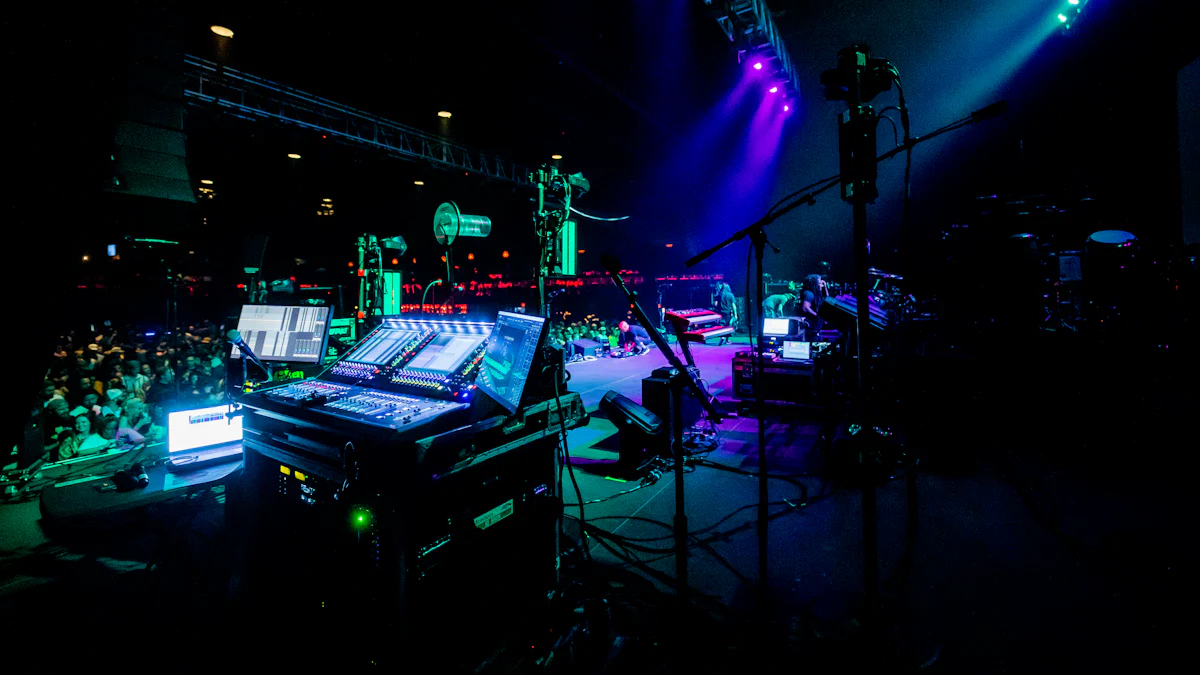
Introduction to Wireless Tech in Music
My Journey into Wireless Sound
As a musician, I’ve experienced the evolution of sound technology firsthand. In the early days, performing on stage meant navigating a cluttered mess of cables and bulky equipment. The stage was often a chaotic tangle of wires, making it challenging to move freely and deliver an exceptional performance.
However, my perspective shifted when I discovered the revolutionary world of wireless solutions. Embracing wireless sound technology transformed the way I approached live performances, offering newfound freedom and flexibility.
The Basics of Wireless Sound Technology
Understanding how wireless tech works is essential for any musician looking to optimize their performance. At its core, wireless sound technology operates by transmitting audio signals through radio frequency waves instead of traditional physical connections. This allows for seamless communication between instruments, microphones, and speakers without the limitations of cables.
The components of a wireless setup typically include transmitters, receivers, antennas, and various connectors. Each element plays a crucial role in ensuring a reliable and high-quality audio experience for both performers and audiences alike.
By delving into the fundamentals of wireless sound technology, musicians can unlock new possibilities for creativity and expression on stage.
The Advantages of Wireless Ear Monitors
In the realm of live performances, the adoption of wireless ear monitors has ushered in a new era of sonic excellence and stage freedom. Let’s explore the significant advantages that wireless ear monitors offer to musicians and bands.
Clarity and Precision in Sound
From my personal experience, the introduction of wireless ear monitors marked a pivotal moment in my musical journey. The clarity and precision in sound reproduction were unparalleled, allowing me to discern every nuance of the music with remarkable detail. Unlike traditional monitors, which often suffered from interference and inconsistent sound quality, wireless ear monitors delivered a pristine audio experience, elevating our performances to new heights.
Comparing traditional stage monitors to their wireless counterparts further emphasizes the transformative impact on sound quality. While conventional monitors are susceptible to feedback and environmental noise, wireless ear monitors provide an isolated audio environment tailored to each musician’s specific mix. This level of customization ensures that every instrument and vocal shines through with exceptional clarity, enhancing the overall cohesiveness of the band’s sound.
Mobility on Stage
The integration of wireless ear monitors revolutionized my stage presence by granting unprecedented mobility and flexibility. Freed from the constraints of stationary monitor wedges, I could move fluidly across the stage without sacrificing auditory awareness. This newfound agility empowered me to engage with bandmates and connect with the audience on a deeper level, amplifying the energy and dynamism of our live shows.
Reflecting on our experiences on the road, there were numerous instances where mobility made a tangible difference in our performances. Whether it was navigating complex stage setups or interacting with fans during intimate acoustic sets, wireless ear monitors facilitated seamless communication among band members while ensuring consistent audio monitoring regardless of our positions on stage.
Understanding In Ear Monitor Systems
As musicians, the seamless integration of an in ear monitor system is pivotal in achieving optimal stage performance. Let’s delve into the essential components of these systems and gain insights into setting them up effectively.
Components of an In Ear Monitor System
When assembling an in ear monitor system, it typically comprises three primary components: the transmitter, receiver, and earpieces. The transmitter serves as the central hub for transmitting audio signals wirelessly to the individual receivers worn by each band member. These receivers then relay the audio to the earpieces, providing personalized monitoring for every musician on stage.
Selecting the right system for your band involves considering factors such as frequency range, signal stability, and compatibility with existing audio equipment. Each component must seamlessly integrate to deliver a cohesive and reliable monitoring experience tailored to the unique needs of your band.
Setting Up Your In Ear Monitor System
Step-by-step setup guide
Transmitter Configuration: Begin by connecting the main audio source, such as a mixer or instrument output, to the transmitter using appropriate cables. Ensure that the transmitter is set to an open frequency band with minimal interference.
Receiver Pairing: Each receiver should be paired with its corresponding transmitter to establish a secure wireless connection. Follow the manufacturer’s instructions for syncing receivers with the transmitter while optimizing signal strength and clarity.
Earpiece Customization: Prioritize comfort and fit when selecting earpieces for your in ear monitor system. Once secured, adjust volume levels and monitor mixes according to individual preferences, allowing each musician to hear their specific blend of instruments and vocals clearly.
Sound Check: Conduct thorough sound checks to fine-tune audio levels and ensure consistent monitoring across all channels. Address any discrepancies or imbalances promptly to guarantee a harmonious sonic experience during performances.
Troubleshooting common issues
Interference Mitigation: If encountering signal interference or dropouts, consider adjusting frequencies or relocating transmitters/receivers to minimize obstructions and improve signal reliability.
Feedback Management: To mitigate feedback issues, carefully position microphones and optimize monitor mixes to prevent sound spillage into microphones.
Battery Maintenance: Regularly check battery levels in transmitters and receivers to avoid unexpected power disruptions during performances.
By following these comprehensive setup guidelines and troubleshooting strategies, bands can harness the full potential of their in ear monitor systems while mitigating technical challenges effectively.
Integrating an In Ear Mixer for Ultimate Control
As a musician who values precision and control, the in ear mixer has become an indispensable tool in shaping my live performances. Let’s explore the pivotal role of the in ear mixer and uncover valuable tips for harnessing its full potential on stage.
The Role of an In Ear Mixer
Personal Insights on Using an In Ear Mixer
Embracing the capabilities of an in ear mixer has empowered me to craft a personalized sonic landscape tailored to my exact preferences. By assuming direct control over individual monitor mixes, I can fine-tune the balance between instruments and vocals with unparalleled granularity. This level of customization not only enhances my auditory experience but also fosters a deeper connection with the music, allowing me to perform with unwavering confidence and artistry.
How an In Ear Mixer Enhances Performance
The introduction of an in ear mixer revolutionized our band’s dynamic on stage, fostering seamless communication and cohesion among members. With each musician equipped with their own in ear monitor system, the in ear mixer serves as the central command center for sculpting our collective sound. From adjusting volume levels to isolating specific instrument tracks, this level of control ensures that every performance is characterized by clarity, balance, and precision.
Tips for Using an In Ear Mixer
Best Practices for Mixing on Stage
Prioritize Clarity: When crafting monitor mixes using the in ear mixer, focus on achieving crystal-clear audio reproduction without overwhelming frequencies. Emphasize clarity in vocals and lead instruments while maintaining a well-defined sonic space for each element within the mix.
Dynamic Adjustments: Leverage the real-time adjustability of the in ear mixer during performances to accommodate variations in venue acoustics and audience size. Stay attuned to subtle changes in sound dynamics and make swift adjustments to preserve sonic integrity throughout the show.
Collaborative Communication: Foster open communication among band members regarding individual monitoring preferences facilitated by the in ear mixer. Encourage constructive feedback and adjustments to ensure that every musician feels supported and connected through their customized monitor mix.
Learning from Mistakes: What Not to Do
Avoid Overloading Mixes: Resist the temptation to overcrowd monitor mixes with excessive layers of instrumentation or vocal effects. Strive for a balanced blend that allows each musical element to shine through distinctly without competing for sonic dominance.
Steer Clear of Static Settings: Refrain from adhering rigidly to preset monitor mixes, especially when performing in diverse venues or acoustic environments. Embrace adaptability by continuously refining your mix settings based on real-time feedback and evolving performance conditions.
By leveraging these best practices while steering clear of common pitfalls, musicians can harness the full potential of their in ear mixer setups, elevating their performances to new heights of sonic excellence.
Wrapping Up
The Impact on Our Band’s Performance
Reflecting on the transformative integration of wireless ear monitors and in ear mixer technology, our band has undergone a remarkable evolution in our live performances. A comparative analysis of our stage presence before and after embracing wireless solutions reveals a substantial enhancement in both sonic quality and overall cohesiveness.
Before incorporating wireless ear monitors, our stage setup was characterized by cumbersome traditional monitors, limiting our mobility and impeding clear communication among band members. The introduction of wireless ear monitors revolutionized our auditory experience, providing unparalleled clarity and precision in sound reproduction. This newfound sonic excellence translated into a heightened sense of musical synergy, allowing us to deliver more cohesive and impactful performances.
Furthermore, the seamless integration of an in ear mixer further elevated our band’s performance by granting us ultimate control over our individual monitor mixes. This level of precision empowered each member to craft their sonic landscape tailored to their specific preferences, fostering a deeper connection with the music and enhancing our collective dynamic on stage.
In conclusion, the adoption of wireless technologies has undeniably elevated the caliber of our live performances, enabling us to connect with audiences on a more profound level while delivering unparalleled sonic excellence.
Final Thoughts and Encouragement for Bands
As we reflect on the profound impact of embracing wireless solutions, we encourage fellow musicians and bands to explore the possibilities offered by wireless ear monitors and in ear mixers. The freedom, flexibility, and sonic clarity afforded by these technologies have the potential to revolutionize your live performances, amplifying your artistic expression while fostering tighter musical cohesion.
Embrace innovation, experiment with new technologies, and prioritize sonic excellence as you strive to maximize your band’s potential on stage. By harnessing the power of wireless sound technology, you can embark on a transformative journey that enhances not only your performances but also your connection with the music itself.
Getting Started with Your Wireless Setup
First Steps to Take
Research: Begin by researching different wireless ear monitor systems available in the market. Consider factors such as frequency range, signal stability, and compatibility with existing audio equipment to make an informed decision.
Consultation: Seek advice from audio professionals or experienced musicians who have integrated wireless solutions into their setups. Their insights can provide valuable guidance as you navigate the transition towards wireless sound technology.
Trial Runs: Consider conducting trial runs with wireless ear monitors at rehearsals or smaller gigs to familiarize yourself with their operation and assess their impact on your performance.
Resources and Recommendations
Industry-leading Brands: Explore renowned brands known for producing high-quality wireless ear monitors, ensuring reliability and exceptional sound reproduction.
Online Communities: Engage with online forums or communities dedicated to audio technology to gain insights from fellow musicians regarding their experiences with wireless ear monitors.
Professional Consultation: Consider seeking professional consultation from audio engineers or sound technicians who specialize in integrating wireless solutions for live performances.
By taking these initial steps and leveraging available resources, you can embark on a seamless transition towards maximizing your band’s performance through innovative wireless technologies.