
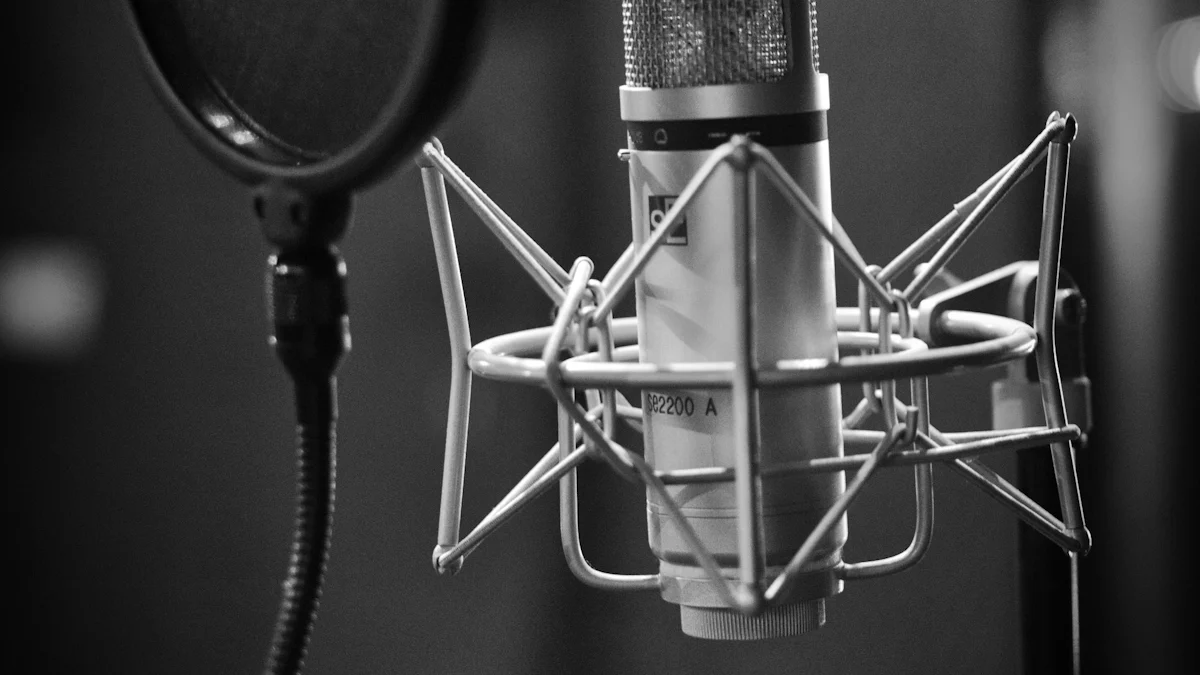
Understanding Microphones
Microphones play a fundamental role in capturing sound across a diverse range of environments, including professional studios, live performances, and broadcasting setups. Each category of microphone is equipped with distinct features and technologies tailored to its specific application. It is essential to grasp the disparities between studio, live, and broadcasting microphones to make well-informed decisions when choosing the most suitable option for a particular use case.
Microphone Comparison
Purpose and Functionality
Studio microphones are tailored for capturing sound with precision and are commonly utilized in controlled environments where accuracy is paramount.
Live microphones, on the other hand, are engineered for durability and reliability during live performances, featuring rugged construction to withstand the demands of dynamic stage settings.
Technological Differences
Studio Microphones: These microphones often boast a wider frequency response and deliver a flatter, more accurate sound reproduction, ideal for capturing the nuances of vocals and instruments in a controlled studio environment.
Broadcasting Microphones: Optimized for speech intelligibility, broadcasting microphones frequently integrate features such as built-in pop filters and shock mounts to enhance vocal clarity and minimize unwanted noise during broadcasting applications.
Studio vs. Live Microphones
When comparing studio and live microphones, several key differences become apparent, impacting their performance in different settings.
Sound Quality
Studio microphones are engineered to prioritize sound accuracy and detail, capturing the subtle nuances of vocals and instruments with exceptional precision. Their primary focus is on delivering high-fidelity audio reproduction in controlled recording environments.
In contrast, live microphones are designed to handle high sound pressure levels while minimizing background noise. This ensures clear and consistent audio delivery in dynamic live settings where external factors can significantly impact sound quality.
Durability and Construction
Studio microphones are typically more delicate and sensitive, requiring careful handling and protection from environmental factors that could affect their performance. Their construction emphasizes precise sound capture over ruggedness.
On the other hand, live microphones are built to withstand rough handling commonly encountered during live performances. They feature rugged construction, shock mounts, and grille screens to provide added durability and protection against the rigors of live stage environments.
By understanding these distinctions in sound quality and construction, users can make informed decisions when selecting the most suitable microphone for their specific recording or performance needs.
Broadcasting Microphones
Speech Intelligibility
When it comes to broadcasting microphones, speech intelligibility is a top priority. These microphones are meticulously optimized to ensure clear and articulate communication, particularly in broadcasting applications. One of the key features that contribute to speech intelligibility is the directional pickup pattern, which minimizes background noise and effectively captures the speaker’s voice with precision.
Specialized Features
In addition to their focus on speech clarity, broadcasting microphones often incorporate specialized features to further enhance vocal reproduction. Some models come equipped with built-in pop filters designed to reduce plosives and wind noise, thereby improving vocal clarity during broadcasts. Furthermore, certain broadcasting microphones feature shock mounts that effectively isolate the microphone from handling noise and vibrations, ensuring uninterrupted and pristine audio capture.
By integrating these advanced features, broadcasting microphones are tailored to meet the specific demands of broadcast environments, delivering exceptional speech intelligibility and vocal clarity for various media applications.
Choosing the Right Microphone
When it comes to selecting the right microphone, several key considerations should be taken into account to ensure that the chosen microphone aligns with the specific requirements of the intended use case.
Considerations for Selection
Intended Use: Understanding the purpose for which the microphone will be used is crucial. Whether it’s for studio recording, live performances, or broadcasting, each setting demands different capabilities from the microphone. For instance, a studio microphone optimized for capturing intricate details may not be suitable for the rugged demands of live stage performances.
Environment: The environmental factors where the microphone will be used play a significant role. Studio microphones are designed for controlled acoustic environments, while live microphones must withstand dynamic and often unpredictable settings. Broadcasting microphones need to excel in speech intelligibility within studio or outdoor broadcast locations.
Sound Source: The type of sound source being captured also influences the choice of microphone. Vocals, instruments, ambient sounds, and speech all have unique audio characteristics that can be best captured by specific types of microphones.
Seeking Professional Advice
Consulting with audio professionals or experts can provide valuable insights and recommendations when navigating through the myriad of available microphone options. These professionals can offer tailored advice based on individual needs and preferences, ensuring that the selected microphone meets all necessary criteria. Additionally, testing and comparing different microphones in relevant settings can provide firsthand experience and aid in determining the most suitable option for specific audio recording or broadcasting needs.
By carefully considering these factors and seeking expert guidance when necessary, individuals can make informed decisions when choosing a microphone that best suits their unique requirements.
Exploring Microphones
Understanding the unique characteristics and applications of studio, live, and broadcasting microphones is essential for selecting the most suitable option.
By considering factors such as sound quality, durability, and specialized features, individuals can make informed decisions when choosing the right microphone for their specific needs.
In conclusion, a thorough understanding of the distinct functionalities and technological aspects of studio, live, and broadcasting microphones is crucial for making informed decisions. Whether it’s prioritizing sound accuracy in a controlled studio environment, ensuring durability during live performances, or optimizing speech intelligibility for broadcasting applications, each type of microphone offers unique capabilities tailored to specific use cases. By evaluating key considerations such as intended use, environmental factors, and sound source characteristics while seeking professional advice when necessary, individuals can confidently select the most suitable microphone to meet their unique requirements.