
Understanding the Basics of Microphone Types
When it comes to song recording, the mic plays a crucial role in capturing the nuances of a vocalist’s performance. The right mic can make a significant difference in the overall sound quality and clarity of the recording. This is why choosing the best mic for song recording is essential.
The Role of the Mic in Song Recording
Why the Right Mic Matters
The mic acts as the ears of the recording process, picking up sound waves and translating them into electrical signals that can be stored and manipulated. The choice of mic directly impacts how accurately these sound waves are captured, affecting everything from vocal warmth to high-frequency detail. Therefore, selecting the best mic for your specific needs and voice type is crucial to achieving professional-quality recordings.
Different Types of Mics Explained
Dynamic Mics
Dynamic mics are known for their durability and versatility. They are ideal for live performances and recording louder sound sources due to their ability to handle high sound pressure levels (SPL). These mics are often used for rock vocals or close-miked instruments like drums or guitar amplifiers.
Condenser Mics
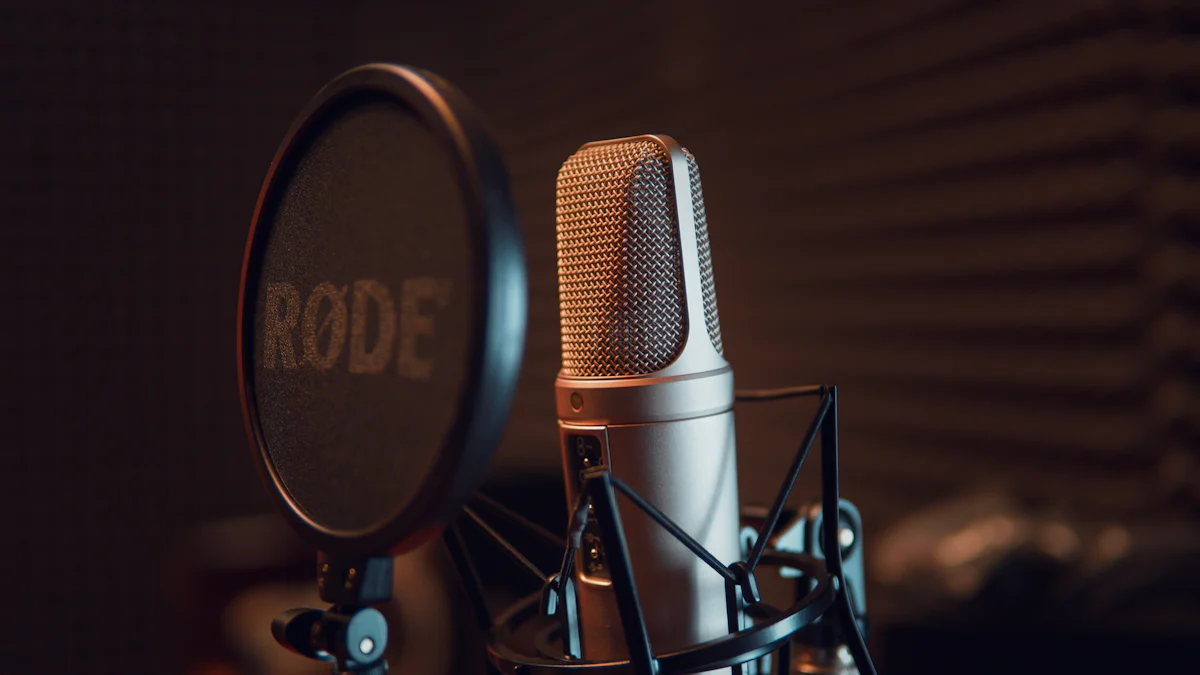
Condenser mics are revered for their sensitivity and responsiveness, making them an excellent choice for capturing subtle vocal nuances and acoustic instruments. They require external power (phantom power) to operate but offer a wider frequency response compared to dynamic mics, resulting in more detailed recordings.
USB Mics
USB mics have gained popularity due to their plug-and-play convenience. They are perfect for home studios and podcasting, offering a simple way to capture vocals directly into a computer without additional audio interfaces. While they may not always match the quality of traditional studio mics, they provide an accessible option for beginners or those on a budget.
Finding the Best Mic for Your Voice
Now that you understand the different types of microphones available, it’s essential to find the best mic that suits your unique voice. Your voice type plays a crucial role in determining which microphone will capture your vocals most effectively.
Why Your Voice Type Matters
When selecting a microphone, it’s important to consider your vocal range and tonal qualities. Different microphones are designed to accentuate specific vocal characteristics, so matching the mic to your vocal range is key. For instance, if you have a powerful, booming voice, you might benefit from a dynamic mic that can handle higher sound pressure levels without distortion. On the other hand, if you have a softer, more delicate voice with intricate nuances, a condenser mic might be better suited to capture those subtleties.
Testing Mics: A How-To Guide
Testing out different microphones is an essential step in finding the best mic for your voice. Here’s a simple guide on how to effectively test and compare various options:
What to Listen For
Clarity: Pay attention to how clear and articulate your vocals sound through each microphone. Look for any muddiness or lack of definition in the recording.
Tonal Balance: Listen for the overall tonal balance of your voice. Does it sound well-rounded and natural, or does it come across as too bright or dull?
Sibilance: Check for any harsh “s” sounds or excessive sibilance that may be exaggerated by certain microphones.
Background Noise: Assess how much background noise is picked up by each microphone. A good microphone should minimize unwanted noise and focus on capturing your vocals.
Where to Test Mics
It’s ideal to test microphones in a controlled environment where you can focus solely on the sound quality without external distractions. Consider visiting a music store with demo rooms or borrowing different mics from friends or colleagues to conduct tests in your own recording space.
Phone Singing vs. Standing Microphone: Which is Better for You?
In the age of digital connectivity, many aspiring singers turn to their smartphones as a convenient tool for recording vocals. While phone singing offers accessibility and ease, it comes with its own set of pros and cons that should be carefully considered.
The Pros and Cons of Phone Singing
When It’s a Good Option
Phone singing can be an excellent choice for spontaneous creativity. Whether you’re inspired by a melody while on the go or feel the urge to capture a raw emotional moment, your smartphone provides a quick and portable solution for recording vocals. Additionally, phone singing allows you to experiment with different sounds and styles without the need for elaborate equipment, making it an accessible option for beginners exploring their musical talents.
Limitations to Consider
However, phone singing has inherent limitations that can impact the overall quality of your recordings. Smartphones are designed primarily for communication rather than professional audio capture, leading to potential drawbacks such as limited frequency response, lower dynamic range, and susceptibility to background noise interference. Additionally, built-in microphones may not accurately capture the nuances of your voice or instrument, resulting in recordings that lack depth and clarity.
The Benefits of a Standing Microphone
On the other hand, investing in a dedicated standing microphone offers numerous advantages that contribute to superior sound quality and versatility in recording scenarios.
Enhanced Sound Quality
A dedicated standing microphone is specifically engineered to capture vocals with exceptional clarity and fidelity. By leveraging advanced transducer technology and tailored frequency responses, these microphones excel at reproducing the full spectrum of vocal tones and nuances. This results in recordings that are rich in detail, warmth, and depth—essential qualities for professional-grade music production.
Versatility for Different Singing Styles
Furthermore, a standing microphone provides flexibility for capturing various singing styles and genres. Whether you’re belting out powerful ballads or delicately delivering soulful melodies, the adjustable settings and polar patterns of standing microphones allow you to tailor your recording setup to suit your unique vocal characteristics. This adaptability ensures that you can achieve optimal sound quality regardless of your preferred singing style or performance dynamics.
Practical Tips for Singers Recording at Home
As a singer, creating a conducive environment for home recording is essential for capturing high-quality vocals. Here are some practical tips to optimize your recording space and enhance the sound quality of your recordings.
Setting Up Your Recording Space
Acoustic Treatment Basics
When setting up your home recording space, consider incorporating acoustic treatment to minimize unwanted reflections and reverberations. This can be achieved by using acoustic panels or foam to dampen the sound waves, resulting in a cleaner and more controlled acoustic environment. Additionally, utilizing bass traps in room corners can help manage low-frequency buildup, ensuring a more balanced sound.
Positioning Your Mic for Optimal Sound
Proper mic placement is crucial for achieving optimal sound quality. Experiment with different mic positions to find the sweet spot that captures your voice accurately while minimizing background noise and room reflections. Consider using a reflection filter behind the microphone to reduce room ambience and focus the recording on your vocals.
Recording Techniques for Better Sound Quality
Breathing and Posture Tips
Maintaining good breathing techniques and posture during recording sessions can significantly impact the quality of your vocal performances. Practice diaphragmatic breathing to support strong, consistent vocal delivery, and pay attention to your posture to avoid tension that may affect vocal tone and projection.
Using Pop Filters and Shock Mounts
Incorporating pop filters into your setup helps reduce plosive sounds caused by air bursts during vocalization, resulting in cleaner recordings. Additionally, using shock mounts for your microphone helps isolate it from vibrations or handling noise, ensuring that unwanted sounds do not interfere with your recordings.
By implementing these practical tips, you can create an ideal home recording environment that enhances the quality of your vocal performances.