
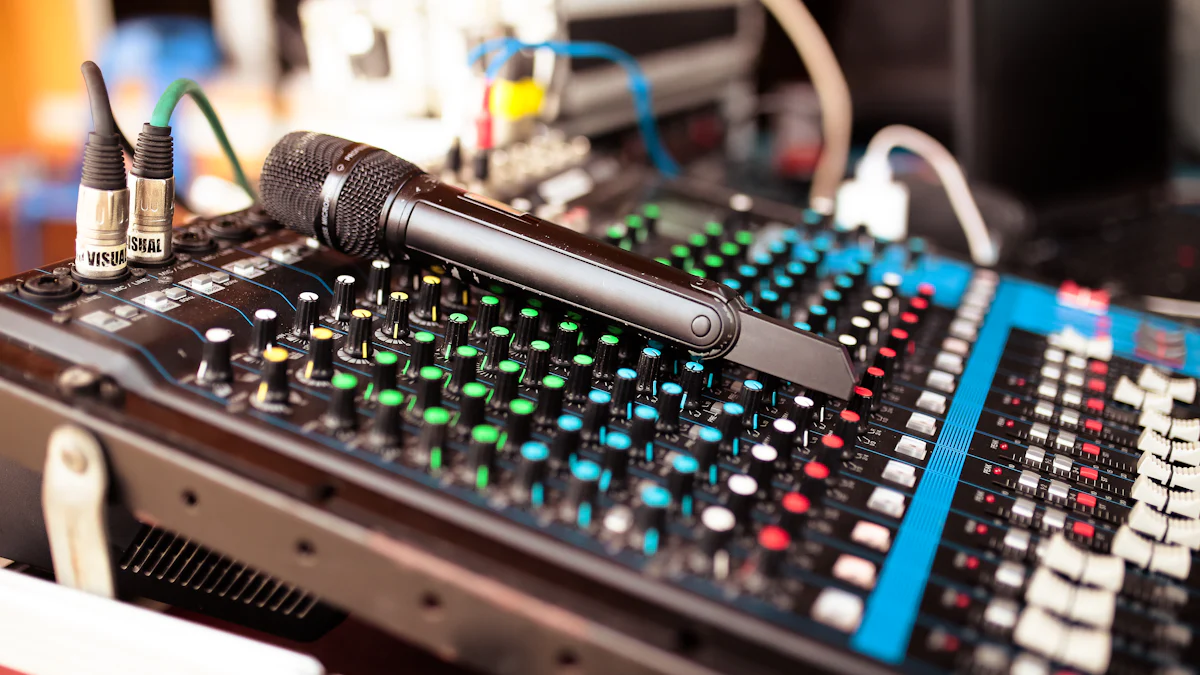
Understanding the Basics of Stage Monitoring
In the realm of live performances, stage monitoring plays a pivotal role in ensuring that performers can hear themselves and their fellow musicians clearly. This crucial aspect of live sound reinforcement enables artists to deliver their best performances while staying in sync with the rest of the ensemble.
The Role of Monitoring in Live Performances
Stage monitoring serves as a vital tool for performers to hear themselves and other instruments amidst the cacophony of live music. It allows them to stay on pitch, maintain rhythm, and synchronize their performance with other band members. Without effective monitoring, musicians may struggle to stay in tune, resulting in a less-than-optimal audience experience.
Key Components of Stage Monitoring Systems
Stage monitoring systems typically consist of several essential components:
In-Ear Monitors (IEMs): These are personal listening devices that provide individualized audio mixes directly to each performer’s ears.
Floor Monitors: Also known as wedge monitors, these speakers are placed on the stage floor and project sound towards the performers.
Wireless Transmitters and Receivers: These devices facilitate the transmission of audio signals from the mixing console to the monitoring devices.
Mixing Console: The central hub where sound engineers create customized audio mixes for each performer.
These components work together to ensure that performers receive clear and tailored audio feeds, allowing them to deliver top-notch performances on stage.
Exploring In Ear Monitors
In-ear monitors, commonly referred to as IEMs, are personal listening devices that have revolutionized the way performers experience live stage monitoring. These compact devices provide individualized audio mixes directly to each performer’s ears, offering a tailored and immersive listening experience.
What Are In Ear Monitors?
The Technology Behind In Ear Monitors
In-ear monitors employ cutting-edge technology to deliver high-fidelity audio directly into the ear canal of the performer. They consist of miniature speakers housed within earpieces that fit snugly into the ears, effectively isolating the performer from external ambient noise. This isolation allows for a clear and focused audio experience, enhancing the performer’s ability to hear themselves and other instruments with exceptional clarity.
Benefits of Using In Ear Monitors on Stage
The utilization of in-ear monitors brings forth several advantages for performers. Firstly, they offer superior sound quality and precision, enabling performers to discern intricate musical details during live performances. Additionally, their compact size and unobtrusive nature contribute to a clutter-free stage setup, allowing performers greater freedom of movement without being tethered to stationary floor monitors.
How Performers Use In Ear Monitors
Customizing Audio Mixes
One of the primary benefits of in-ear monitors is the ability to customize individual audio mixes according to each performer’s preferences. This customization empowers musicians to adjust the balance between vocals, instruments, and click tracks based on their specific requirements, ensuring optimal performance delivery.
Protecting Hearing While Performing
In-ear monitors play a crucial role in safeguarding performers’ hearing health during live performances. By providing direct audio feeds at lower volumes directly into the ear canal, they reduce reliance on excessively loud stage monitor speakers. This not only protects against potential hearing damage but also fosters a more controlled sonic environment for performers.
Delving into Dual Wireless Microphone Systems
In the realm of stage monitoring, dual wireless microphone systems play a pivotal role in facilitating seamless and high-quality live performances. These advanced systems offer performers the freedom to move about the stage without being tethered by traditional wired microphones, enhancing their overall vocal clarity and range.
Understanding Dual Channel Wireless Microphone Systems
Components of a Dual Wireless Microphone System
A dual wireless microphone system comprises several key components that work in harmony to deliver exceptional audio performance:
Transmitters: These devices are responsible for converting the audio signal from the microphone into a radio signal for transmission.
Receivers: The receivers capture the transmitted radio signals and convert them back into an audio signal for amplification and processing.
Microphones: The core of the system, these wireless microphones capture the performer’s vocals or instrument sounds and transmit them to the receivers.
Antennas: Antennas ensure reliable transmission and reception of radio signals, minimizing interference for uninterrupted performances.
Advantages of Cordless Mic Systems for Performances
Dual wireless microphone systems, also known as cordless mic systems, offer several advantages that cater to the diverse needs of performers:
Enhanced Mobility: With no cables restricting movement, performers can navigate the stage freely, engaging with the audience while delivering captivating performances.
Reduced Clutter: The absence of tangled cables contributes to a neat and organized stage setup, reducing tripping hazards and creating a visually appealing performance space.
Flexibility in Group Performances: In scenarios where multiple vocalists or instrumentalists share the stage, dual wireless microphone systems enable seamless transitions between performers without cumbersome cable management.
Practical Applications of Dual Wireless Microphone Systems
Enhancing Vocal Clarity and Range
One of the primary benefits of employing dual wireless microphone systems is their ability to enhance vocal clarity and range. Performers can move effortlessly across the stage while maintaining consistent audio quality, ensuring that every note and lyric reaches the audience with precision.
Facilitating Seamless Performances
Dual channel wireless microphone systems contribute to smooth and uninterrupted performances by eliminating potential technical disruptions associated with wired setups. This reliability allows performers to focus on their craft without concerns about connectivity issues or physical constraints imposed by traditional wired microphones.
Comparing In Ear Monitors and Dual Wireless Microphone Systems
Key Differences Between In Ear Monitors and Dual Channel Systems
Purpose and Functionality
In-ear monitors and dual wireless microphone systems serve distinct purposes and offer unique functionalities in the realm of stage monitoring.
In Ear Monitors (IEMs):
Purpose: In-ear monitors are designed to provide individualized audio mixes directly to each performer, enhancing their ability to hear themselves and other instruments with precision.
Functionality: They isolate performers from ambient noise, delivering tailored audio feeds while promoting freedom of movement on stage.
Dual Wireless Microphone Systems:
Purpose: These systems are primarily utilized for capturing vocal performances or instrument sounds without the constraints of traditional wired microphones, offering enhanced mobility for performers.
Functionality: They facilitate seamless transmission of audio signals from the performers to the receivers, ensuring consistent vocal clarity and range during live performances.
Impact on Performance Quality
The choice between in-ear monitors and dual wireless microphone systems significantly impacts the overall quality of live performances.
In Ear Monitors (IEMs):
Impact: By providing personalized audio mixes directly into the ears of performers, in-ear monitors contribute to heightened precision in vocal delivery and instrumental synchronization. They enable musicians to maintain pitch accuracy and rhythm while reducing reliance on stage monitor speakers.
Dual Wireless Microphone Systems:
Impact: These systems play a crucial role in enhancing vocal clarity and range, allowing performers to move freely across the stage without compromising audio quality. Their contribution to uninterrupted performances fosters a seamless experience for both artists and audiences.
Choosing the Right System for Your Needs
Factors to Consider
When determining the most suitable stage monitoring system for specific performance requirements, several factors come into play:
Performance Environment: Consider the size of the performance venue, acoustic characteristics, and potential sources of ambient noise that may affect monitoring needs.
Mobility Requirements: Assess the extent of performer movement on stage and the necessity for unencumbered mobility during live performances.
Audio Precision: Evaluate the need for precise audio monitoring tailored to individual preferences, including vocal balance, instrument emphasis, and click track integration.
Interference Mitigation: Consider potential sources of signal interference or frequency congestion that may impact wireless system performance.
Recommendations for Different Types of Performers
Based on specific performance contexts and individual preferences, certain recommendations can guide performers in selecting an optimal stage monitoring system:
Solo Performers: For solo acts where precise audio monitoring is paramount, in-ear monitors offer personalized sound isolation while maintaining mobility on stage.
Bands or Ensembles: Dual wireless microphone systems prove beneficial for bands or ensembles requiring seamless vocal transmission across multiple performers without cable management constraints.
Dynamic Stage Performances: In scenarios involving dynamic movement or choreographed performances, in-ear monitors provide freedom of movement without compromising audio quality.
By carefully considering these factors and recommendations, performers can make informed decisions regarding their stage monitoring needs based on their unique performance contexts.
Final Thoughts
Summarizing the Comparison
After delving into the realms of in-ear monitors and dual wireless microphone systems, it becomes evident that both technologies offer distinct advantages in the context of stage monitoring. In-ear monitors, with their personalized audio mixes and isolation from ambient noise, cater to the individual needs of performers, enhancing precision and mobility on stage. On the other hand, dual wireless microphone systems excel in facilitating seamless vocal transmission and enhancing overall vocal clarity and range, particularly in group performances.
In summary, while in-ear monitors prioritize personalized audio experiences for individual performers, dual wireless microphone systems focus on providing enhanced vocal transmission capabilities across multiple performers. Both systems contribute significantly to the quality and fluidity of live performances, albeit with differing emphases on individualized monitoring versus group vocal clarity.
Making an Informed Decision for Stage Monitoring Needs
When it comes to selecting the most suitable stage monitoring system for specific performance requirements, performers should carefully assess their unique needs and preferences. Factors such as performance environment, mobility requirements, audio precision, and interference mitigation play pivotal roles in determining the optimal system for a given context.
To make an informed decision regarding stage monitoring needs:
Evaluate Performance Context: Consider the specific demands of the performance venue, including size, acoustic characteristics, and potential sources of ambient noise that may impact monitoring requirements.
Assess Mobility Needs: Determine the extent of performer movement on stage and the necessity for unencumbered mobility during live performances to ascertain whether individualized or group-focused monitoring is more suitable.
Prioritize Audio Precision: Gauge the importance of precise audio monitoring tailored to individual preferences such as vocal balance, instrument emphasis, and click track integration based on performance dynamics.
Mitigate Interference Risks: Identify potential sources of signal interference or frequency congestion that may affect wireless system performance to ensure uninterrupted monitoring capabilities.
By carefully considering these factors and weighing them against their unique performance contexts, artists can make informed decisions regarding their stage monitoring needs. Whether prioritizing personalized audio experiences or seamless group vocal transmission, selecting the right system is crucial for delivering captivating live performances that resonate with audiences.