
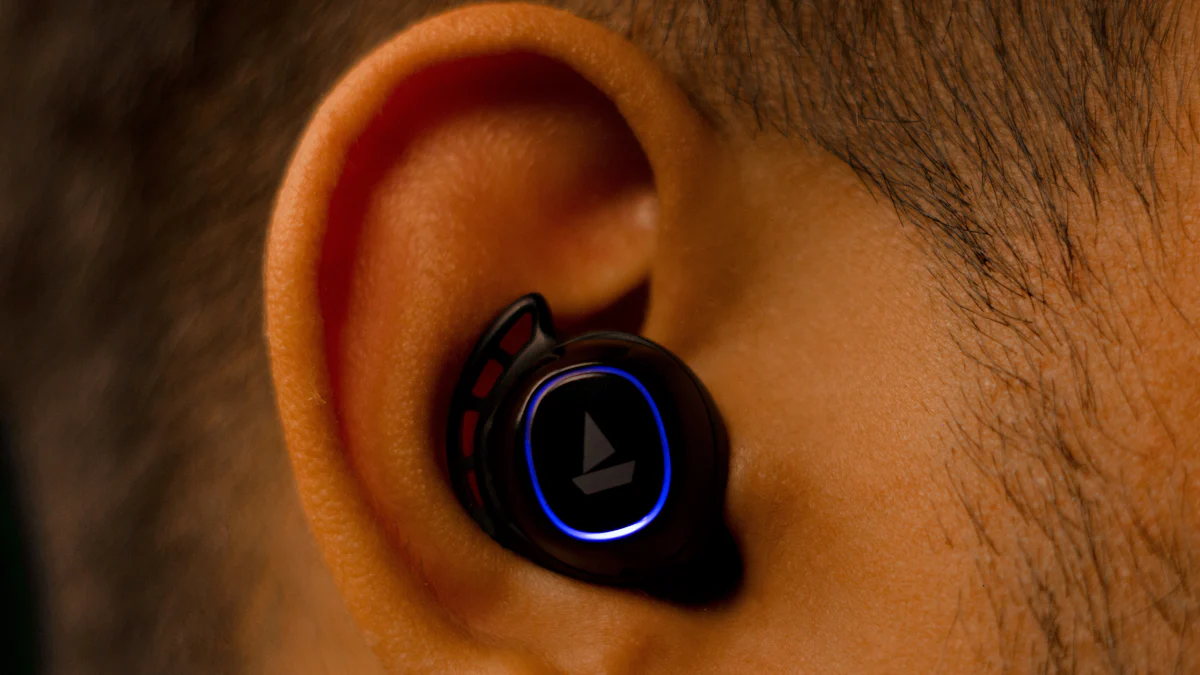
Essential In-Ear Monitors
In-ear monitors are indispensable for musicians, providing a personalized sound experience and effective noise isolation. Musicians rely on high-quality in-ear monitors to hear themselves and their bandmates clearly during performances. Understanding the significance of custom mold in-ear monitors is crucial, as they offer a tailored fit for optimal comfort and sound quality.
When selecting in-ear monitors, it’s essential to differentiate between universal and custom options. Universal monitors provide standard sound quality suitable for a wide range of users, while custom options cater to individual preferences, offering a more personalized listening experience.
Tip: Custom mold in-ear monitors are like bespoke suits for your ears, providing unparalleled comfort and sound precision.
Custom vs. Universal Monitors
When comparing custom and universal monitors, it’s important to consider the personalized sound experience they offer and the advantages of custom mold in-ear monitors.
Personalized Sound Experience
Custom in-ear monitors provide a tailored sound experience that is specifically designed to meet individual preferences. This allows musicians to hear their music exactly as they want it, with precise control over the audio output. On the other hand, universal monitors offer a standard sound quality that caters to a broader range of users without the same level of personalization.
Custom Mold Advantages
One of the key advantages of custom mold in-ear monitors is their superior noise isolation and comfortable fit for musicians. The custom mold ensures a snug and secure fit within the ear canal, effectively blocking out external noise while providing exceptional comfort during long performances or recording sessions. The importance of achieving proper fit and noise isolation in custom mold in-ear monitors cannot be overstated, as it directly impacts the overall listening experience for musicians.
Fit and Maintenance Tips
Achieving Proper Fit
Ensuring a proper fit for in-ear monitors is essential to fully experience the benefits they offer. Here are some tips for achieving the best fit:
Use the appropriate ear tip size: Selecting the right ear tip size is crucial for a secure and comfortable fit. It also helps with effective noise isolation, allowing you to focus on your music without outside distractions.
Insertion technique: Properly inserting the in-ear monitors into your ear canal is important for optimal sound delivery. Follow the manufacturer’s guidelines for insertion to ensure a snug fit.
Comfort and stability: The monitors should feel secure and stable in your ears without causing discomfort. Adjust them if necessary to achieve the ideal balance of comfort and stability.
Understanding the importance of achieving a proper fit for in-ear monitors is essential for musicians, as it directly impacts their performance and overall listening experience.
Maintenance for Longevity
To prolong the lifespan of your high-quality in-ear monitors, it’s crucial to follow proper maintenance practices:
Cleaning: Regularly clean the ear tips and housings of your in-ear monitors to prevent wax buildup and maintain optimal sound quality.
Storage: Store your in-ear monitors in a protective case when not in use to prevent damage or tangling of cables.
Cable care: Handle the cables with care, avoiding sharp bends or tugs that could lead to damage over time.
Understanding maintenance tips can help musicians preserve the longevity of their good in-ear monitors, ensuring consistent performance over time.
Monitors for Music Genres
When it comes to selecting in-ear monitors for musicians, understanding the nuances of frequency response is crucial. Different music genres have specific requirements when it comes to in-ear monitors, particularly in terms of frequency response characteristics. For example, bass-heavy genres such as hip-hop or electronic dance music (EDM) require in-ear monitors with a strong low-frequency response to accurately reproduce the deep bass lines that are characteristic of these styles. On the other hand, classical music demands a more balanced frequency response to faithfully reproduce the full range of orchestral instruments and vocals.
Benefits of Multi-Driver Monitors
Musicians seeking top-notch sound reproduction often turn to multi-driver monitors for their performances and recording sessions. Multi-driver monitors utilize multiple drivers for different frequency ranges, allowing for more precise and accurate sound reproduction. The benefits of multi-driver monitors include enhanced clarity across the entire frequency spectrum, improved separation of instruments and vocals, and a more immersive listening experience overall.
By understanding the advantages of multi-driver monitors, musicians can make informed decisions when choosing high-fidelity in-ear monitors that align with their specific musical needs.
Cable and Wireless Selection
In the realm of in-ear monitors, the selection of the right cable plays a pivotal role in optimizing their performance. A high-quality cable not only ensures reliable connectivity but also contributes to the overall sound quality and durability of the in-ear monitors. When choosing a cable for your in-ear monitors, it’s important to consider factors such as conductivity, insulation, and flexibility to guarantee an exceptional listening experience.
On the other hand, wireless options provide unparalleled convenience and freedom of movement for musicians using in-ear monitors. Wireless technology has advanced significantly, offering stable connectivity and high-fidelity audio transmission without being tethered to audio sources. Musicians can move freely on stage or in the studio without being restricted by cables, enhancing their overall performance and comfort.
Understanding the benefits of wireless options can empower musicians to make informed decisions when selecting their preferred in-ear monitors. Whether opting for traditional wired connections or embracing the freedom of wireless technology, choosing the right cable and wireless options is essential for maximizing the potential of good in-ear monitors.
Finding Your Perfect Monitors
When it comes to finding the perfect in-ear monitors, musicians are presented with a myriad of options tailored to their individual needs and preferences. Selecting good in-ear monitors is paramount for musicians who prioritize the best sound quality and performance during their performances and recording sessions. By understanding the key factors in choosing high-quality in-ear monitors, musicians can align their specific musical requirements with the features offered by different monitor options. This ensures that they find their perfect match, leading to an optimal performance experience.
Tip: Your choice of in-ear monitors should reflect your unique musical style and performance requirements, ultimately enhancing your overall experience as a musician.
Remember, selecting the right in-ear monitors is not only about sound quality; it’s also about comfort, durability, and adaptability to different musical environments.