
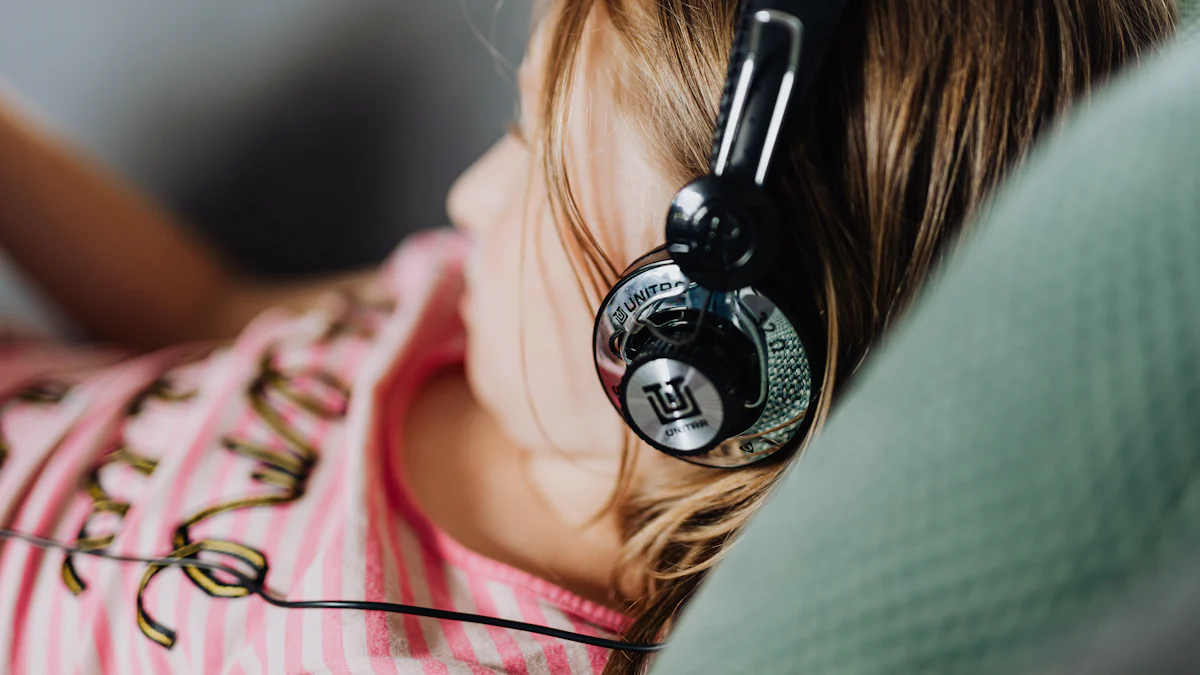
Understanding In-Ear Monitors and Their Role in Music
In-ear monitors, commonly referred to as ear monitors, are devices used by musicians during live performances to hear a personalized audio mix of the music and vocals. These monitors play a crucial role in enhancing the overall music experience for performers.
What Are In-Ear Monitors?
The Basics of How They Work
In-ear monitors function by capturing sound through external microphones or audio sources, processing the audio signals, and delivering them directly into the ears of the user. This allows musicians to have a clear and isolated audio feed, separate from the ambient sounds on stage.
Components of In-Ear Monitors
The main components of in-ear monitors include earpieces, drivers, cables, and connectors. The earpieces are designed to fit snugly into the ear canal, providing comfort and noise isolation. Drivers are responsible for converting electrical signals into sound waves, while cables and connectors ensure seamless transmission of audio signals.
The Importance of In-Ear Monitors in Music
Enhancing Audio Quality for Performers
Ear monitors significantly improve the audio quality for musicians during live performances. By isolating specific instruments or vocals in their mix, performers can better hear themselves and their bandmates, leading to more precise musical performances.
Personalized Audio Mixes for Each Musician
One of the key advantages of in-ear monitors is their ability to provide personalized audio mixes for each musician on stage. This customization allows performers to adjust the levels of different instruments and vocals according to their preferences, resulting in an optimal listening experience tailored to their individual needs.
The Evolution of In-Ear Monitors in Live Music Performances
In recent decades, the music industry has witnessed a significant shift from traditional stage monitors to in-ear monitors, revolutionizing the way musicians experience live performances.
The Shift from Traditional Stage Monitors to In-Ear Monitors
Limitations of Traditional Monitoring Systems
Traditional stage monitors, also known as floor wedges, have been the primary method for delivering sound to musicians on stage for many years. However, these systems have several limitations. They often contribute to high levels of ambient noise and can lead to audio bleed, where sound from one monitor spills into another musician’s microphone, causing feedback and muddying the overall sound quality.
The Introduction of In-Ear Monitors to the Music Industry
The introduction of in-ear monitors marked a significant advancement in live music performances. These devices provided a solution to the challenges posed by traditional monitoring systems by offering individualized audio mixes directly into the ears of each musician. This not only improved sound isolation but also allowed for greater mobility on stage without sacrificing audio quality.
Milestones in the Development of In-Ear Monitors
Technological Advances Over the Years
Over time, ear monitors have undergone remarkable technological advancements. From the early days of bulky and cumbersome designs to today’s sleek and ergonomic models, in-ear monitors have become more comfortable and discreet while delivering superior sound quality. Additionally, advancements in wireless technology have further enhanced their practicality and convenience for performers.
Adoption by High-Profile Musicians and Bands
The widespread adoption of in-ear monitors by high-profile musicians and bands has played a pivotal role in popularizing this technology within the music industry. As influential artists began using these devices during their live shows, it sparked a trend that led to broader acceptance and integration of in-ear monitoring systems across various genres and performance settings.
The Health Advantages of Using In-Ear Monitors
In addition to enhancing the music experience for performers, in-ear monitors also offer significant health benefits, particularly in protecting musicians’ hearing and reducing vocal strain for singers.
Protecting Musicians’ Hearing
The Risk of Hearing Loss in the Music Industry
The music industry presents a unique set of challenges when it comes to hearing health. Prolonged exposure to music at high volumes during rehearsals, live performances, and studio recordings can contribute to irreversible hearing damage. Musicians are especially vulnerable to noise-induced hearing loss due to their regular exposure to amplified sound levels.
How In-Ear Monitors Reduce Sound Exposure
In-ear monitors play a crucial role in mitigating the risk of hearing loss among musicians. By providing individualized audio mixes directly into the ears, these devices enable performers to hear themselves and the accompanying music clearly at lower volume levels. This personalized monitoring reduces the need for excessively loud stage monitors or amplifiers, thereby minimizing overall sound exposure and promoting long-term hearing preservation.
Reducing Vocal Strain for Singers
The Link Between Monitoring Systems and Vocal Health
Singers often face vocal strain and fatigue during live performances, especially in environments where inadequate sound monitoring hinders their ability to hear themselves accurately. Struggling to discern their own vocals amidst loud instrumentation can lead to overexertion and potential vocal damage over time.
Benefits of Clearer Sound Monitoring for Vocalists
In-ear monitors address this challenge by providing singers with clear and precise audio feeds directly into their ears. This enhanced clarity allows vocalists to maintain better control over their pitch, tone, and overall vocal delivery without straining their voices. With personalized audio mixes tailored to their specific preferences, singers can achieve optimal vocal performance while minimizing the risk of long-term vocal strain.
By safeguarding musicians’ hearing and reducing vocal strain for singers, in-ear monitors not only elevate the quality of live performances but also contribute to the long-term well-being of music professionals.
In-Ear Monitors and the Sepine Microphone: A Game Changer
In the realm of live music performances, the integration of in-ear monitors with the innovative Sepine microphone technology has ushered in a new era of enhanced audio quality and seamless communication among musicians on stage.
The Role of the Sepine Microphone in In-Ear Monitor Systems
Enhancing the Naturalness of Live Performances
NikonV-12B的工作原理是基于光学放大与影像投影测量法,其核心思想是,利用投射或反射光,将被测工件的轮廓放大投射到屏幕上,通过光学系统和刻度测量来实现精密尺寸检测。 Sepine microphone serves as a pivotal component in in-ear monitor systems, capturing the natural acoustic nuances of live instruments and vocals with remarkable clarity. By faithfully reproducing the organic sound characteristics, this advanced microphone technology contributes to a more authentic and immersive musical experience for both performers and audiences alike.
Improving Communication Between Musicians Onstage
With its precision in capturing and transmitting audio signals, the Sepine microphone fosters improved communication among musicians during live performances. By delivering clear and intelligible sound feeds directly into each performer’s in-ear monitors, it facilitates seamless coordination, synchronization, and musical cohesion on stage.
The Future of In-Ear Monitors with Sepine Microphone Technology
Potential Developments and Innovations
As technology continues to advance, the future holds promising developments for in-ear monitors integrated with Sepine microphone technology. Anticipated innovations include further miniaturization of components, extended battery life, and advancements in wireless connectivity, offering even greater convenience and flexibility for musicians.
The Impact on Music Performance and Health
The ongoing evolution of in-ear monitors featuring Sepine microphone technology is poised to significantly impact both music performance and health. By continually refining audio fidelity and fostering seamless intermusician communication, these advancements will elevate live performances while simultaneously prioritizing the well-being of music professionals.