
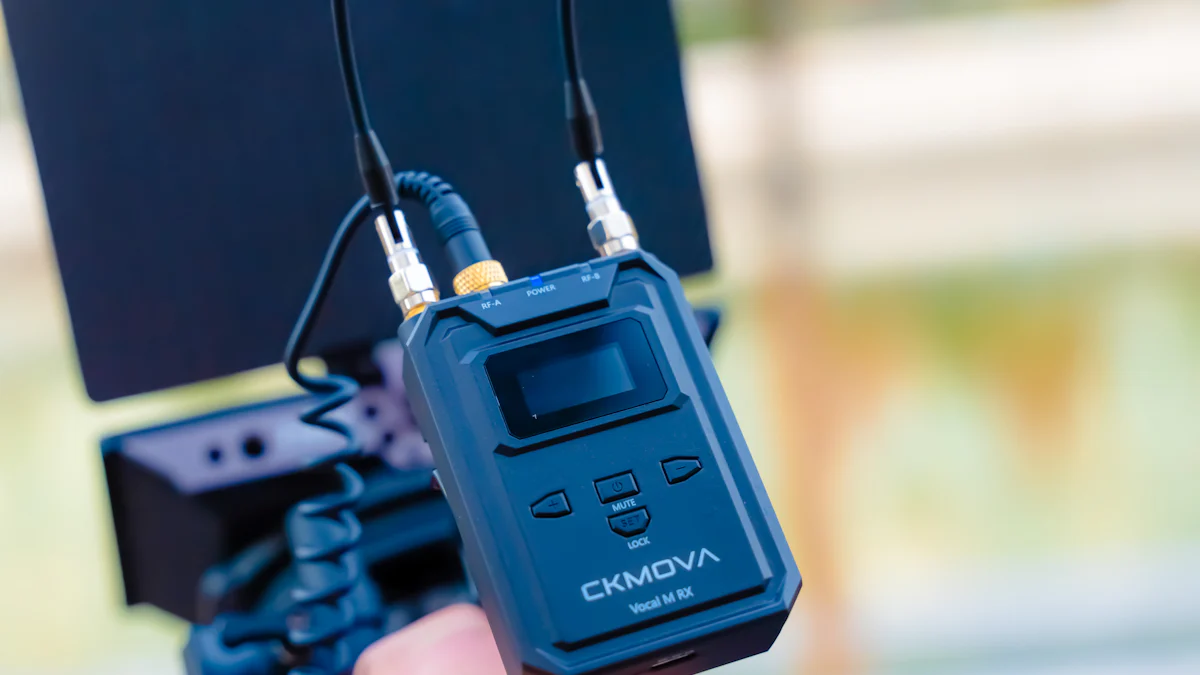
Introduction to iPhone Microphones
When it comes to capturing high-quality audio on your iPhone, choosing the right microphone is crucial. As a content creator, I’ve embarked on a journey to enhance the audio capabilities of my iPhone recordings, and I’ve learned firsthand the impact that a quality microphone can have on the overall production.
Why the Right Microphone Matters for Your iPhone
The built-in microphone of an iPhone may not always deliver the desired audio quality, especially in environments with background noise or when recording from a distance. This is where an external microphone becomes essential. By investing in a dedicated microphone, you can significantly improve the clarity and richness of your recordings, ensuring that every sound is captured with precision.
My journey with iPhone audio
Throughout my experience, I’ve experimented with various types of external microphones, seeking the perfect solution for different recording scenarios. From interviews and vlogs to live music performances, each situation demanded a tailored approach to achieve optimal sound quality.
The Basics of External Microphones
Understanding how these devices plug into your iPhone is fundamental to maximizing their potential. External microphones typically connect to your device through the lightning port or headphone jack, allowing for seamless integration with your existing recording setup.
How they plug into your iPhone
The process is simple and straightforward – just plug the compatible connector into your iPhone, and you’re ready to elevate your audio game.
Exploring the Lavalier Mic for iPhones
As we delve into the realm of external microphones for iPhones, the lavalier mic emerges as a compelling option for capturing pristine audio in diverse settings.
What is a Lavalier Mic?
A lavalier mic, also known as a lapel mic, is a small yet powerful microphone designed to be discreetly clipped onto clothing, offering unparalleled convenience and versatility. Its unobtrusive nature makes it ideal for interviews, presentations, and any scenario where mobility is paramount.
The clip-on convenience
The defining feature of a lavalier mic lies in its clip-on design, allowing users to attach it seamlessly to their attire without drawing attention. This hands-free setup enables natural movement while ensuring consistent audio capture, making it an invaluable tool for content creators on the go.
Pros and Cons of Using a Lavalier Mic
When weighing the advantages and limitations of employing a lavalier mic, several factors come into play.
Sound quality and situations where it shines
The compact size of a lavalier mic belies its exceptional sound-capturing capabilities. It excels in environments with minimal background noise, delivering clear and focused audio that accentuates the speaker’s voice. This makes it an excellent choice for one-on-one interviews, instructional videos, or any scenario where intimate audio capture is paramount.
Limitations and when it might not be the best choice
Despite its versatility, a lavalier mic may not be the optimal solution in noisy or dynamic environments. Its proximity to the speaker can lead to amplified rustling sounds or muffled audio if not positioned correctly. Additionally, when multiple speakers are involved or extensive movement is required, alternative microphone options may better suit the recording needs.
My Experience with a Lavalier Mic
Having integrated a lavalier mic into my recording arsenal, I’ve witnessed its transformative impact firsthand across various real-life applications.
Real-life applications and performance
From conducting insightful interviews at bustling events to delivering seamless narrations during on-the-go vlogs, the lavalier mic has consistently elevated my recordings. Its ability to capture nuanced vocal nuances while maintaining mobility has been instrumental in achieving professional-grade audio results.
Diving Into Wireless Microphones for iPhones
As we venture further into the realm of external microphones for iPhones, the wireless microphone emerges as a compelling alternative, offering unparalleled flexibility and mobility in diverse recording scenarios.
Understanding Wireless Microphones
How they connect without wires
Unlike traditional wired microphones, wireless microphones utilize advanced technology to transmit audio signals to the recording device without the constraints of physical cables. This seamless connectivity is achieved through the use of radio frequency or digital transmission, enabling users to move freely while capturing high-quality audio.
Benefits and Drawbacks of Wireless Microphones
When considering the adoption of wireless microphones for iPhones, it’s essential to weigh their advantages and potential limitations.
Superior mobility and ease of use
The absence of cables grants wireless microphones unparalleled mobility, allowing content creators to explore dynamic recording environments without being tethered to their iPhone. This freedom facilitates natural movement and versatility, making it an ideal choice for on-the-go vlogging, outdoor interviews, or any scenario where unrestricted mobility is paramount.
Considering battery life and potential interference
While wireless microphones offer exceptional freedom, it’s crucial to consider factors such as battery life and potential signal interference. Ensuring that the microphone’s battery is adequately charged is essential for uninterrupted recording sessions. Additionally, in crowded signal environments, there may be instances of interference that could impact audio quality, necessitating strategic planning when operating in such settings.
Personal Insights on Using Wireless Microphones
Events and scenarios where they excelled
In my exploration of wireless microphones for iPhones, I’ve found them particularly effective in capturing live events and outdoor activities. Their seamless integration with the iPhone allowed me to effortlessly record immersive soundscapes during music festivals, sports events, and nature expeditions. The ability to move freely while maintaining pristine audio quality has been instrumental in enhancing the overall production value of my recordings.
Making the Right Choice: Lavalier Mic vs. Wireless Mic
When comparing the sound quality of a lavalier mic 和 wireless mic, I’ve observed distinct characteristics that set them apart. The lavalier mic excels in capturing clear and nuanced audio, especially in controlled environments with minimal background noise. Its close proximity to the source ensures exceptional clarity, making it an ideal choice for intimate interviews and instructional videos. On the other hand, the wireless mic offers impressive noise handling capabilities, allowing for reliable audio capture even in dynamic and bustling settings. It effectively minimizes environmental distractions, ensuring that the primary sound source remains prominent.
Assessing convenience and mobility, both microphones present unique advantages. The lavalier mic takes the lead in portability, offering a compact and unobtrusive design that seamlessly integrates into various recording setups. Its clip-on nature enables natural movement without compromising audio quality, making it an excellent choice for content creators on the move. Conversely, the wireless mic provides unparalleled freedom of movement, allowing users to explore expansive recording environments without being tethered to their iPhone. This versatility is particularly beneficial for outdoor recordings and live events where unrestricted mobility is essential.
Considering cost implications and value for money, it’s crucial to balance budget constraints with specific recording needs. While both microphones offer significant benefits, their price points may vary based on brand and additional features. Evaluating long-term usage and versatility is essential to determine the most cost-effective investment that aligns with individual recording requirements.
Final Recommendation Based on Use Case
When it comes to selecting the ideal microphone for your iPhone, the choice should align with your specific recording needs and usage scenarios. Here are tailored recommendations based on different types of iPhone users:
For Content Creators and Vloggers
For individuals immersed in creating engaging video content, a lavalier mic proves to be an invaluable asset. Its discreet design and exceptional sound quality make it perfect for capturing clear audio during on-the-go vlogs, interviews, and instructional segments. The hands-free setup allows seamless movement while ensuring consistent audio capture, enhancing the overall production value.
For Outdoor Enthusiasts and Event Coverage
If your recording ventures frequently lead you to dynamic outdoor environments or live events, a wireless mic offers unparalleled freedom of movement without compromising audio quality. Its ability to transmit high-quality audio signals without physical constraints makes it an ideal companion for capturing immersive soundscapes during nature expeditions, sports events, and music festivals.
For Podcasters and Interview Scenarios
In scenarios where intimate audio capture is paramount, such as podcasting or one-on-one interviews, the clarity and nuanced sound reproduction of a lavalier mic shine through. Its close proximity to the source ensures that every vocal nuance is captured with precision, elevating the listening experience for your audience.
For Versatile Everyday Use
For those seeking a versatile solution that seamlessly adapts to various recording setups and scenarios, both lavalier and wireless microphones offer compelling benefits. The choice ultimately hinges on individual preferences regarding mobility, sound quality priorities, and budget considerations.
Final Thoughts
Embracing the Best Microphone for Your iPhone
As we conclude our exploration of iPhone microphones, it’s essential to reflect on the key takeaways that can guide you towards embracing the best microphone for your recording endeavors. The decision to invest in an external microphone for your iPhone hinges on understanding your unique recording needs and the specific scenarios in which you intend to capture audio.
When evaluating the suitability of a microphone, consider factors such as sound quality, mobility, and versatility. Whether you opt for a lavalier mic or a wireless counterpart, prioritize the seamless integration of the chosen microphone with your recording setup. This ensures that you can effortlessly elevate the audio quality of your content without compromising on convenience.
Recap of Key Takeaways
Sound Quality: Prioritize capturing clear and nuanced audio that enhances the overall listening experience.
Mobility: Choose a microphone that aligns with your mobility requirements, whether it’s hands-free convenience or unrestricted movement.
Versatility: Seek a versatile solution that adapts to various recording scenarios while maintaining consistent audio performance.
In essence, embracing the best microphone for your iPhone involves aligning technical specifications with practical usability, ensuring that every recording session yields professional-grade results.
Encouraging Personal Testing
While our discussion has shed light on the distinct advantages of both lavalier mics and wireless microphones, personal testing remains an invaluable approach to determining the ideal fit for your specific needs. Embrace experimentation by trying out both types of microphones in various recording scenarios to gauge their performance firsthand.
By engaging in personal testing, you can gain insights into how each microphone complements different environments and usage scenarios. This hands-on approach empowers you to make an informed decision based on real-life experiences rather than relying solely on theoretical considerations.
Embracing personal testing not only enhances your understanding of microphone capabilities but also allows you to tailor your investment to precisely meet your recording requirements.