
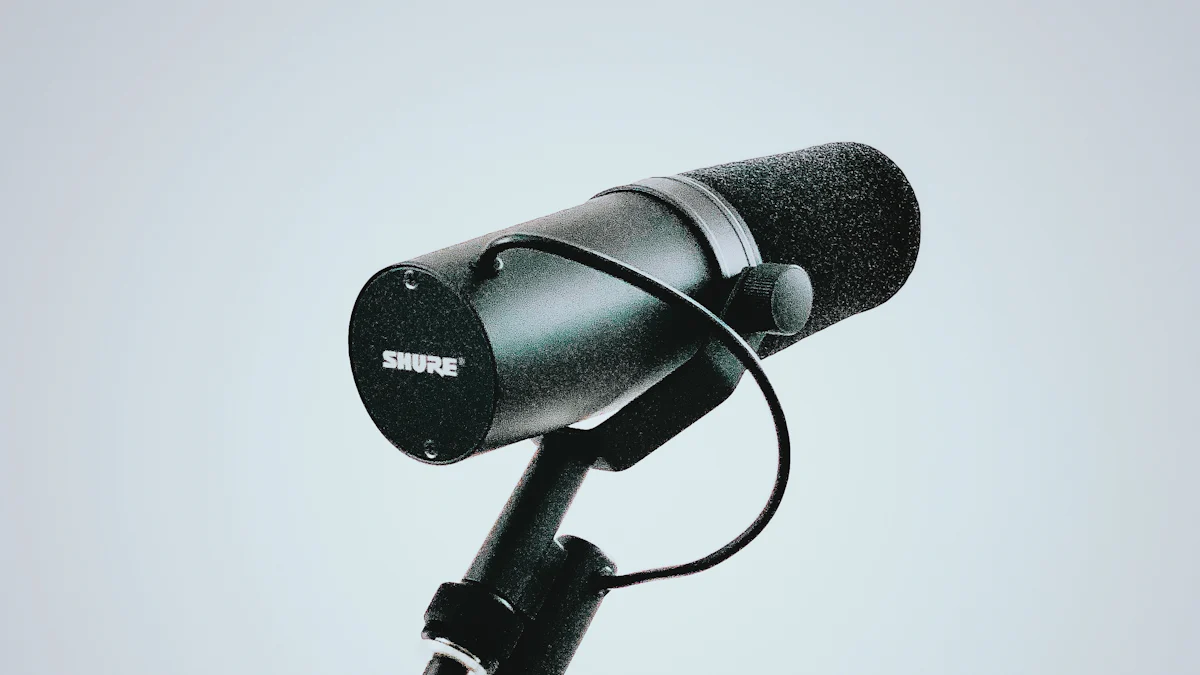
Enhancing Preaching with Hands-Free Microphones
In today’s church settings, the use of a reliable hands-free microphone is paramount for delivering impactful messages. A quality hands-free microphone ensures that the preacher’s voice is clear and easily heard, while also allowing them the freedom to move around the pulpit or stage. When choosing the best wireless microphone for preaching, congregations can greatly benefit from improved communication and an enhanced overall preaching experience.
Enhanced Communication: A good wireless microphone for church preaching facilitates effective communication between the preacher and the congregation, ensuring that every word is conveyed with clarity and purpose.
The significance of a hands-free microphone in a church setting cannot be overstated. It plays a vital role in creating an environment where powerful messages can be delivered effectively, fostering a deeper connection between the preacher and the audience.
The Advantages of Wireless Microphones
Enhanced Mobility and Flexibility
When it comes to delivering a powerful sermon, the ability to move freely and engage with the congregation is essential. Hands-free microphones provide preachers with the flexibility to move around the pulpit or stage without being restricted by wires. This enhances their connection with the audience and allows for a more dynamic and impactful delivery of the message. Congregations benefit from this increased engagement, as it fosters a deeper sense of connection and understanding between the preacher and the listeners.
Improved Sound Quality and Clarity
One of the key advantages of using wireless microphones for preaching is the significantly improved sound quality. These microphones are designed to ensure that every word spoken by the preacher is conveyed clearly and distinctly to the congregation. The absence of any physical constraints, such as cables or wires, contributes to an overall enhancement in sound clarity. As a result, congregants can fully immerse themselves in the message being delivered without any distractions or disruptions caused by poor audio quality.
Selecting the Ideal Preaching Microphone
Considerations for Choosing the Right Microphone
When selecting a microphone for preaching, several crucial factors need to be taken into account to ensure that it aligns with the preacher’s needs and the acoustic characteristics of the church. The following considerations are essential in choosing the ideal preaching microphone:
Range: The range of the microphone is an important consideration, especially in larger church settings. A microphone with a sufficient range ensures that the preacher’s voice is captured clearly, even when moving around the pulpit or stage.
Battery Life: Opting for a wireless microphone with long battery life is vital to prevent interruptions during preaching sessions. It provides peace of mind, allowing the preacher to focus entirely on delivering their message without concerns about power constraints.
Sound Quality: The overall sound quality of the microphone is paramount. It should accurately capture and convey the nuances of the preacher’s voice, ensuring that every word is heard with clarity and precision.
Choosing a microphone that complements the preacher’s style and communication preferences while adapting well to the specific acoustic environment of the church is crucial for an impactful preaching experience.
Exploring Different Microphone Options
There are various types of wireless microphones available, each offering unique benefits suited to different preaching styles and preferences. These options include lavalier microphones, headset microphones, and handheld microphones. Preachers should explore these different options to find a suitable solution that aligns with their specific preaching needs, ensuring optimal communication and delivery during sermons.
Maintaining Your Church Microphone
Proper Care and Maintenance Practices
Taking care of your church microphone is essential to ensure consistent performance and longevity. Here are some best practices for maintaining your hands-free microphone for preaching:
Regular Inspection and Cleaning: It’s important to regularly inspect the microphone for any signs of wear or damage. Additionally, cleaning the microphone with a soft, dry cloth can help remove any dust or debris that may affect its performance. This practice ensures optimal sound quality and extends the lifespan of the microphone.
Safe Storage: When the microphone is not in use, storing it in a safe and dry environment is crucial. This protects it from potential damage caused by exposure to moisture or extreme temperatures, preserving its functionality over time.
Troubleshooting and Technical Support
In the event of technical issues with your hands-free microphone, familiarizing yourself with basic troubleshooting techniques can be invaluable. Additionally, seeking technical support from qualified professionals can address any complex issues promptly. Ensuring uninterrupted preaching sessions relies on addressing technical concerns efficiently and effectively.
By implementing these care and maintenance practices, you can optimize the performance and reliability of your church microphone, enhancing the overall preaching experience for both the preacher and congregation.
The Crucial Role of Hands-Free Microphones in Preaching
Hands-free microphones are indispensable tools for delivering compelling and impactful messages in a church setting. The seamless integration of a reliable wireless microphone enhances the overall preaching experience, benefiting both the preacher and the congregation. By choosing the right hands-free microphone and adhering to proper maintenance practices, effective and clear communication during preaching sessions is ensured.
Enhanced Communication: A quality hands-free microphone for preaching fosters enhanced communication, allowing the preacher’s message to be conveyed with clarity and purpose, creating a profound impact on the congregation.
In conclusion, the pivotal role of hands-free microphones in preaching cannot be overstated. Their significance lies in their ability to facilitate powerful and meaningful connections between preachers and congregants, ultimately enriching the spiritual experience within the church community.