
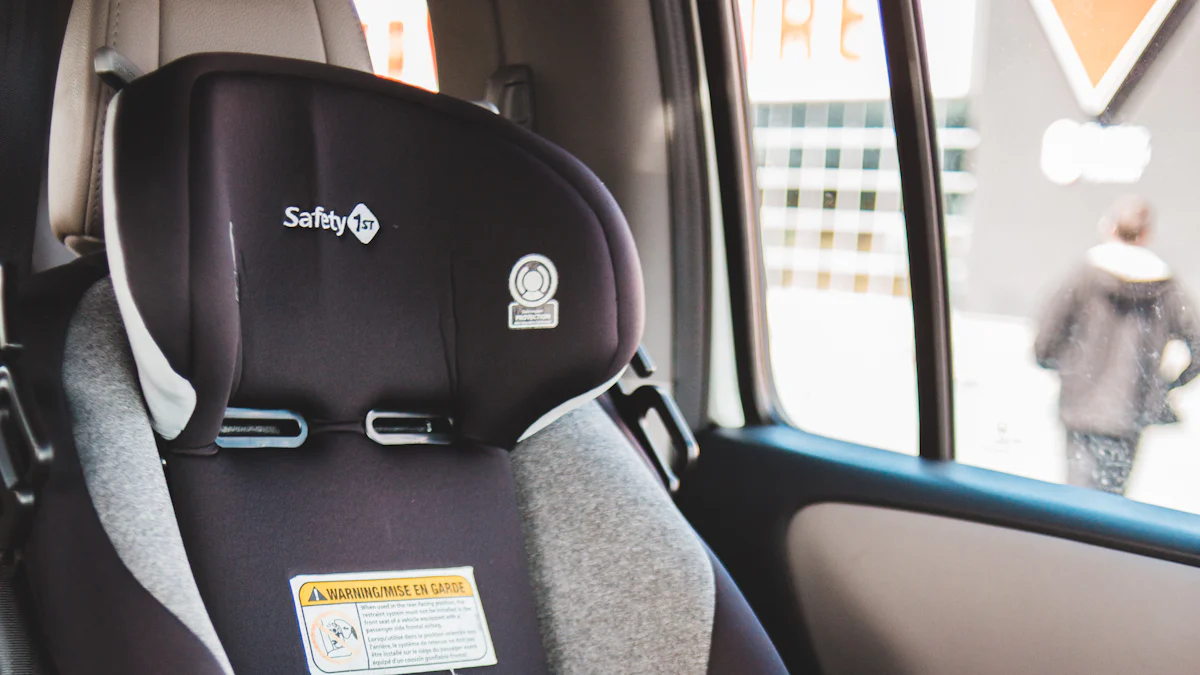
Introduction to Headrest Advertising in Vehicles
In today’s modern world, headrest advertising has emerged as a prominent feature in vehicles, revolutionizing the way advertisers connect with audiences and enhancing the overall passenger experience. This section will delve into the basics of headrest advertising, its functionality, and the growing trend it has become in modern vehicles.
What is Headrest Advertising?
The Basics of In-Vehicle Advertising
Headrest advertising falls under the umbrella of in-vehicle advertising, a marketing strategy that targets passengers within a vehicle through various mediums. It aims to capture the attention of individuals during their commute or travel, offering a unique opportunity for brands to engage with potential consumers in a captive environment.
How Headrest Advertising Works
In essence, headrest advertising involves strategically placing digital screens or panels within the headrests of vehicle seats. These screens display targeted advertisements, promotional content, or entertainment features to passengers throughout their journey. By utilizing this space, advertisers can effectively reach a captive audience and convey their messages directly within the vehicle environment.
The Rise of Headrest Advertising in Modern Vehicles
Trends and Popularity
The integration of headrest advertising has gained significant traction across various transportation modes, including cars, buses, and trains. As technology continues to advance, more vehicles are being equipped with these innovative advertising platforms, reflecting a growing trend towards immersive in-vehicle marketing strategies.
The Appeal to Advertisers and Vehicle Owners
For advertisers, headrest advertising presents an enticing opportunity to engage with audiences in a novel setting while leveraging the captive nature of vehicular travel. Simultaneously, vehicle owners benefit from potential revenue streams generated through partnerships with advertisers who seek access to their passenger demographic.
The Benefits of Headrest Advertising in Vehicles
As headrest advertising continues to gain prominence in the realm of vehicular marketing, it brings forth a multitude of advantages that contribute to an enhanced passenger experience and revenue opportunities for vehicle owners. Let’s explore how this innovative form of advertising positively impacts both passengers and vehicle proprietors.
Enhanced Passenger Experience
Entertainment and Information at Your Fingertips
Headrest advertising introduces a new dimension of entertainment and information accessibility for passengers during their travels. With digital screens seamlessly integrated into the headrests, individuals have the opportunity to engage with captivating content, ranging from informative snippets to entertaining visuals. This not only enriches the overall journey experience but also provides a platform for brands to creatively connect with their target audience.
Customization and Control Over Content
One notable benefit for passengers is the ability to customize and control the content they engage with through headrest advertising. By offering options for personalized viewing preferences or interactive features, individuals can tailor their in-vehicle entertainment experience according to their interests. This level of customization fosters a sense of empowerment among passengers, further enhancing their satisfaction during transit.
Revenue Opportunities for Vehicle Owners
Monetizing Passenger Attention
For vehicle owners, headrest advertising presents a lucrative opportunity to monetize passenger attention effectively. By providing ad space within the vehicle environment, owners can capitalize on advertisers’ interest in reaching a captive audience during travel. This opens up new streams of revenue that contribute to the sustainability and profitability of operating vehicles equipped with headrest advertising platforms.
Partnerships with Advertisers
Additionally, headrest advertising facilitates collaborative partnerships between vehicle owners and advertisers, leading to mutually beneficial arrangements. Advertisers seeking access to a specific demographic can establish strategic alliances with vehicle proprietors to deliver targeted content directly to their desired audience. These partnerships not only generate financial gains but also foster symbiotic relationships within the advertising ecosystem.
Understanding the One-Touch Muting Feature
In the realm of headrest advertising, the one-touch muting feature serves as a pivotal element that empowers passengers with control over their in-vehicle audiovisual experience. This section will delve into the functionality of this innovative capability and its advantages in enhancing passenger comfort and satisfaction.
How One-Touch Muting Works
Technology Behind the Feature
The one-touch muting feature is designed to enable passengers to instantly silence or pause advertisements and promotional content displayed on headrest screens. Leveraging intuitive technology, this functionality allows individuals to seamlessly mute audio or pause video playback with a simple touch, granting them immediate respite from ongoing advertising stimuli.
Ease of Use for Passengers
The implementation of one-touch muting is characterized by its user-friendly interface and accessibility. Passengers can effortlessly engage with this feature through designated controls located within arm’s reach, ensuring convenient activation without disrupting their overall journey experience. This seamless integration aligns with the overarching objective of providing passengers with autonomy over their in-vehicle environment.
The Advantages of Being Able to Mute Ads
Increased Passenger Comfort
The introduction of one-touch muting significantly contributes to heightened passenger comfort during travel. By offering individuals the ability to swiftly silence or pause advertisements at their discretion, this feature mitigates potential sources of auditory or visual discomfort, fostering a more pleasant and relaxing journey ambiance.
Control Over the In-Vehicle Environment
Empowering passengers with the capability to exercise control over their exposure to advertising content translates into a greater sense of agency within the in-vehicle environment. The availability of one-touch muting not only enhances passenger comfort but also underscores the value placed on accommodating diverse preferences and ensuring a harmonious travel experience for all occupants.
The Psychological and Safety Implications of Muted Advertising
In the context of in-vehicle advertising, the integration of one-touch muting functionality introduces a paradigm shift in addressing both psychological well-being and safety considerations for drivers and passengers. This section will explore the profound impact of muted advertising on driver distraction, safety, as well as its effects on passenger stress, comfort, and overall journey experience.
Impact on Driver Distraction and Safety
Research Findings on Driver Focus
Research studies have underscored the critical importance of minimizing potential distractions for drivers during their time behind the wheel. The implementation of one-touch muting offers a proactive approach to mitigating auditory stimuli that may divert a driver’s attention from crucial aspects of safe vehicle operation. By providing passengers with the ability to silence or pause advertisements when necessary, this feature contributes to fostering an environment conducive to sustained driver focus and attentiveness.
Safety Benefits of Muting Ads
The act of muting advertisements within the vehicle environment aligns with broader initiatives aimed at enhancing road safety. Studies have indicated that reducing auditory clutter can lead to improved cognitive processing among drivers, thereby bolstering their capacity to react swiftly to unforeseen circumstances on the road. As such, muted advertising serves as a safeguarding mechanism that promotes heightened vigilance and situational awareness among drivers, ultimately contributing to safer travel experiences.
Effects on Passenger Stress and Comfort
Psychological Benefits of Less Advertising
The presence of excessive advertising stimuli within enclosed spaces can exert psychological strain on passengers, potentially leading to heightened stress levels during transit. The introduction of one-touch muting addresses this concern by affording individuals the autonomy to curate their auditory environment according to their preferences. This empowerment translates into reduced psychological burden and a more tranquil journey ambiance for passengers, fostering an overall sense of relaxation and well-being.
The Role of Ad Frequency and Volume Control
In addition to offering control over ad exposure, one-touch muting also enables passengers to manage ad frequency and volume levels based on their comfort thresholds. This capability plays a pivotal role in tailoring the in-vehicle auditory experience to align with individual preferences, thereby minimizing potential sources of discomfort or irritation. By granting passengers agency over these aspects, muted advertising contributes significantly to cultivating an environment conducive to passenger comfort and satisfaction.
Conclusion: Reflecting on the Future of In-Vehicle Advertising
Balancing Technology with Passenger Needs
As headrest advertising continues to evolve and integrate into the fabric of modern vehicles, it is imperative to strike a harmonious balance between technological advancements and passenger-centric considerations. The seamless integration of innovative advertising platforms must align with the fundamental goal of enhancing the overall passenger experience without compromising comfort or safety.
The Evolution of Advertising in Transportation
The progression of headrest advertising mirrors a broader evolution in transportation marketing strategies, reflecting an ongoing commitment to engaging audiences in novel and immersive ways. From traditional static advertisements to dynamic digital interfaces within vehicles, the landscape of advertising in transportation has undergone a significant transformation, emphasizing the continuous adaptation to consumer behaviors and preferences.
Future Innovations in Headrest Advertising
Looking ahead, the future of headrest advertising holds promise for further innovations that cater to the evolving needs of passengers and advertisers alike. Anticipated advancements may encompass enhanced interactivity, augmented personalization features, and seamless integration with other in-vehicle technologies. These innovations aim to elevate the efficacy of headrest advertising while prioritizing user engagement and satisfaction within the vehicular environment.
Final Thoughts on One-Touch Muting and Its Impact
In conclusion, the introduction of one-touch muting represents a pivotal advancement that underscores the paramount importance of user control within in-vehicle advertising ecosystems. By empowering passengers with the ability to manage their exposure to advertisements, this feature epitomizes a user-centric approach that acknowledges individual preferences and comfort levels during travel.
The Importance of User Control
The emphasis on user control through one-touch muting signifies a paradigm shift towards fostering an environment where passengers can curate their journey experiences according to their unique preferences. This acknowledgment of individual autonomy not only enhances passenger satisfaction but also reinforces a sense of agency within the in-vehicle environment, aligning with contemporary expectations for personalized interactions.
Looking Ahead: What’s Next for Vehicle Owners and Advertisers?
As vehicle owners and advertisers navigate the landscape of headrest advertising, future endeavors are poised to revolve around collaborative innovation aimed at optimizing passenger engagement while delivering compelling brand experiences. The symbiotic relationship between vehicle owners seeking revenue opportunities and advertisers vying for audience attention sets the stage for continued advancements that prioritize mutual benefit and elevated passenger experiences.